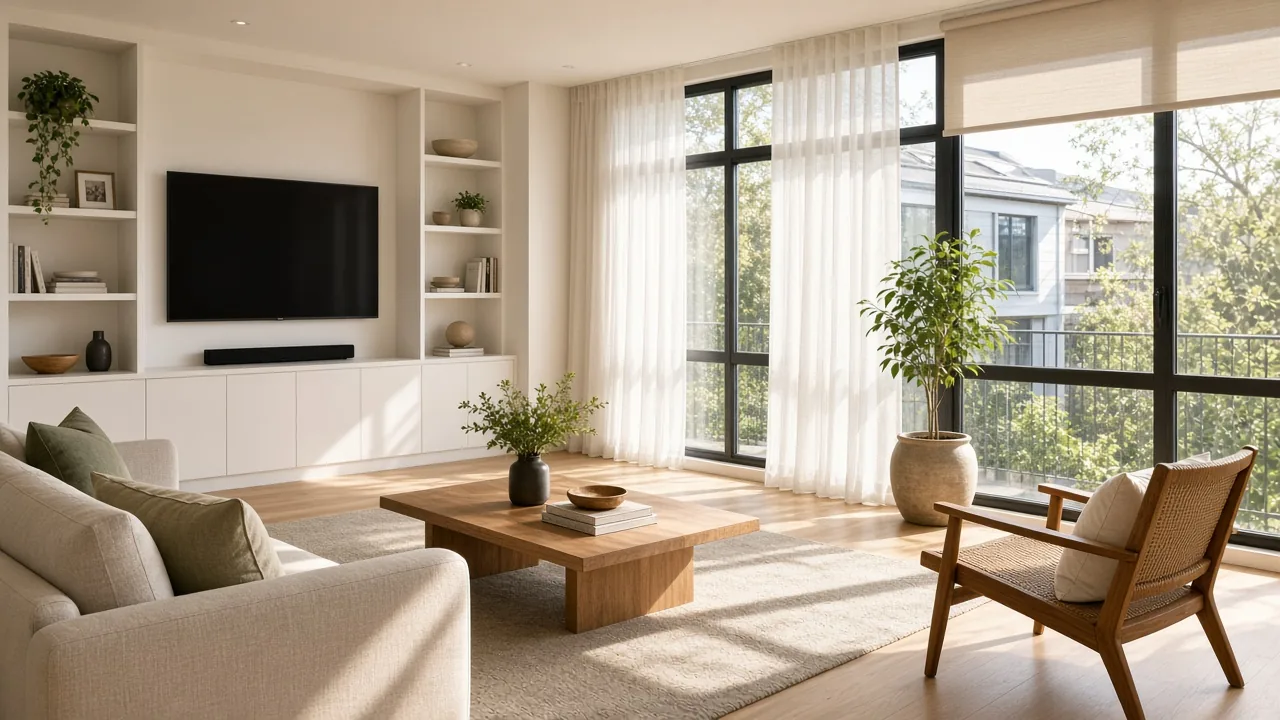
Melbourne summer guide · 2026
How to Reduce Heat Through Windows
Up to 87% of a home’s summer heat gain comes through its windows, according to the Australian Government’s YourHome guide. Here are 10 practical ways to cut that load, from external shading to honeycomb blinds, without invented savings claims.
You can reduce heat through windows by shading glass from the outside, fitting insulating coverings like honeycomb blinds or light-backed blockout rollers, applying heat-reflective film, sealing gaps, and closing coverings before the sun hits. External shading works best. Internal blinds are usually the most affordable professional fix. Into Blinds has fitted more than 15,000 Melbourne homes since 2008.
Why Do Windows Let So Much Heat Into Your Home?
Glass is the weakest point in a home’s insulation. Sunlight passes straight through, and a thin pane does little to stop hot outdoor air warming the room.
How solar heat gain works
Sunlight passes through glass and lands on floors, furniture and walls. Those surfaces absorb it, warm up and release heat into the room. That heat cannot easily escape back through the glass, so it builds over the day. Heat also conducts through glass and aluminium frames, and hot air leaks through gaps.
Which windows let in the most heat
In Australia the sun sits in the northern sky, so north-facing windows take sun for much of the day. In summer that sun is high, so eaves or awnings often shade north glass well. West-facing windows are the hardest: they take low, direct sun in the late afternoon at the hottest point of the day. Skylights take sun almost all day.
What Is the Best Way to Reduce Heat Through Windows?
Stop the sun before it reaches the glass with external shading. Inside, honeycomb blinds, light-backed blockout rollers and plantation shutters are the most practical professional options for most Melbourne homes.
| Method | Effectiveness | Cost | DIY or pro | Best for |
|---|---|---|---|---|
| External awnings and blinds | High | Medium to high | Pro | North and west glass |
| Honeycomb blinds | High (internal) | Medium | Pro | Year-round insulation |
| Blockout rollers, light backing | Medium to high | Low to medium | Pro | Most rooms, strong value |
| Plantation shutters | Medium to high | Higher | Pro | Street front, bedrooms |
| Heat-reflective film | Medium | Low to medium | DIY or pro | Quick upgrades |
| Double glazing / low-E | High | High | Pro | Long-term renovations |
10 Proven Ways to Reduce Heat Through Windows
Use these as a menu, not a checklist. Most Melbourne homes combine two or three options rather than doing everything at once.
1. Install external shading (awnings, external blinds, shutters)
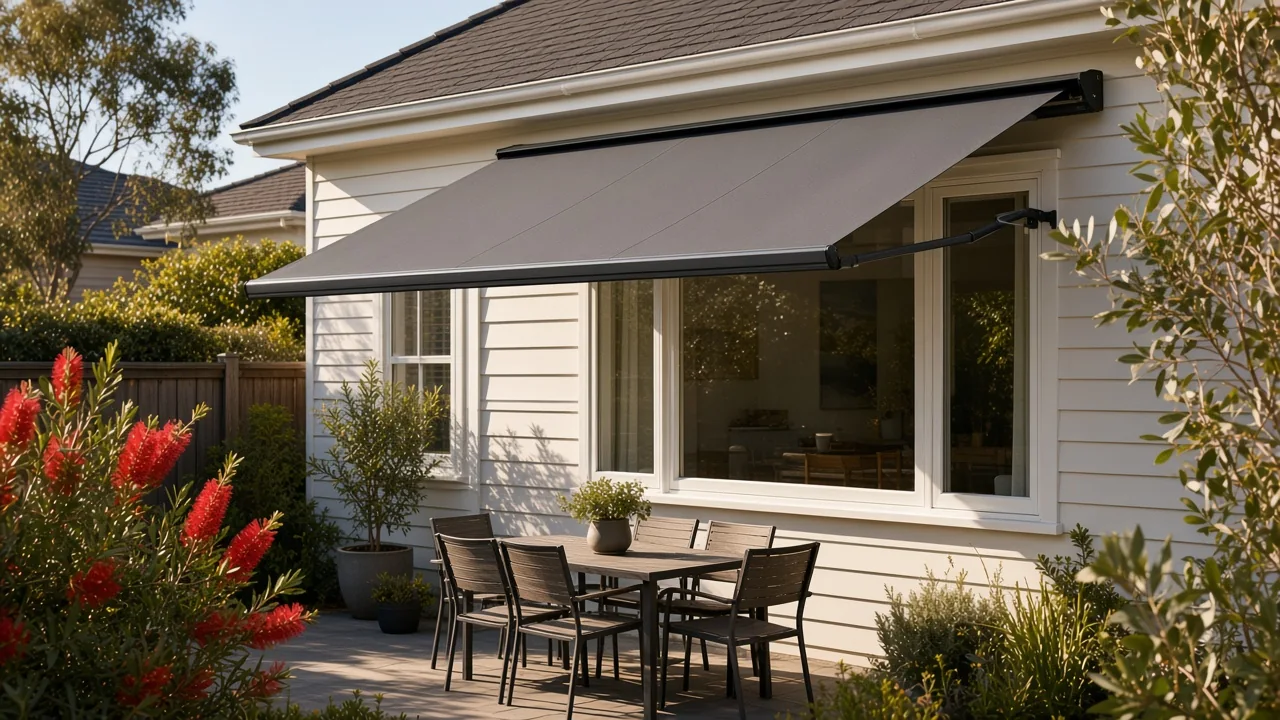
External shading stops sunlight before it hits the glass, which prevents most solar heat gain. Outdoor blinds, awnings and external shutters are the top performers for north and west elevations. They cost more than an internal roller, but they do a job internal fabric cannot match alone.
2. Choose honeycomb (cellular) blinds for insulation
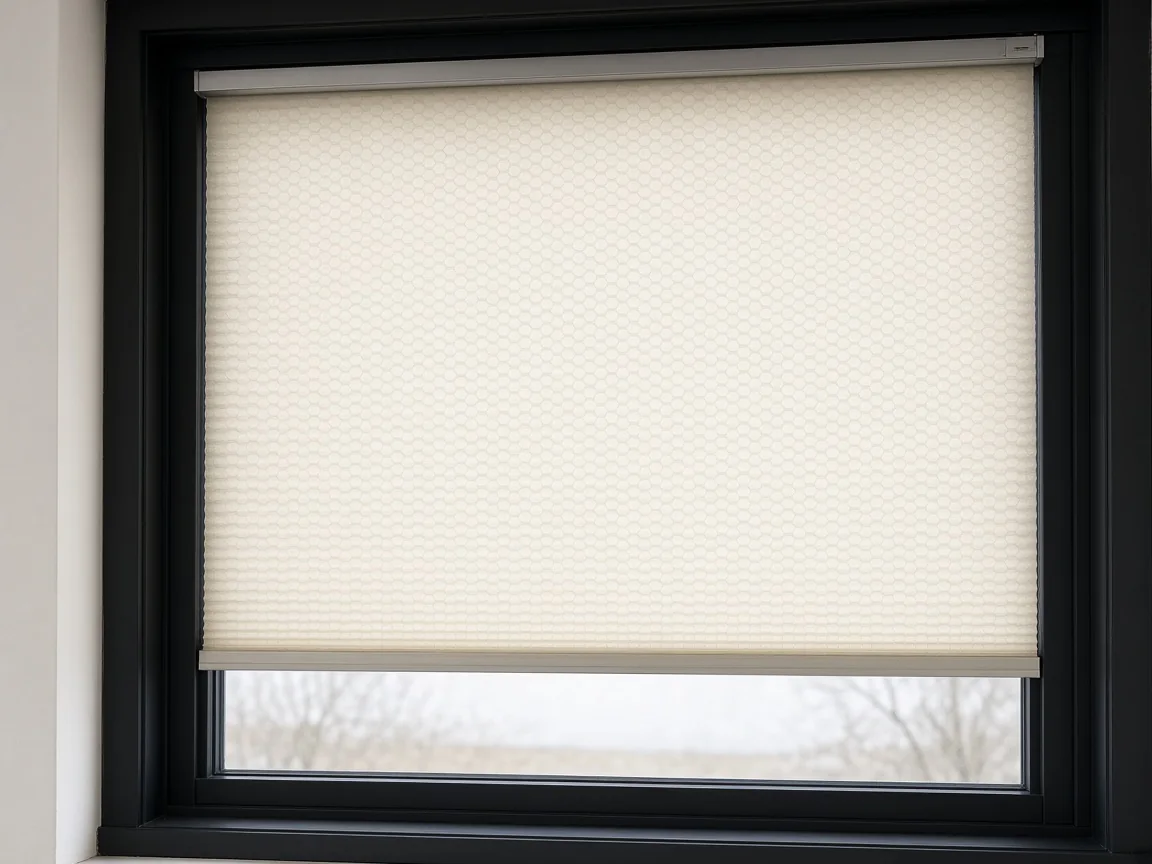
Honeycomb cells trap still air against the glass. That insulating layer helps in summer heat and winter heat loss. Single-cell and double-cell options both work; double-cell adds more trapped air for tougher orientations. See our honeycomb blinds range.
3. Use blockout roller blinds with a light-coloured backing
A light or white thermal backing reflects radiant heat toward the glass instead of absorbing it into the room. Dark front fabrics can still look stylish if the reverse is reflective. Recess-fit roller blinds and dedicated blackout blinds are strong value for most rooms.
4. Fit plantation shutters
Plantation shutters create an adjustable air gap and let you tilt louvres to bounce harsh sun while keeping some daylight. They suit street-facing rooms where kerb appeal matters as much as comfort.
5. Layer sheer and blockout blinds (double roller)
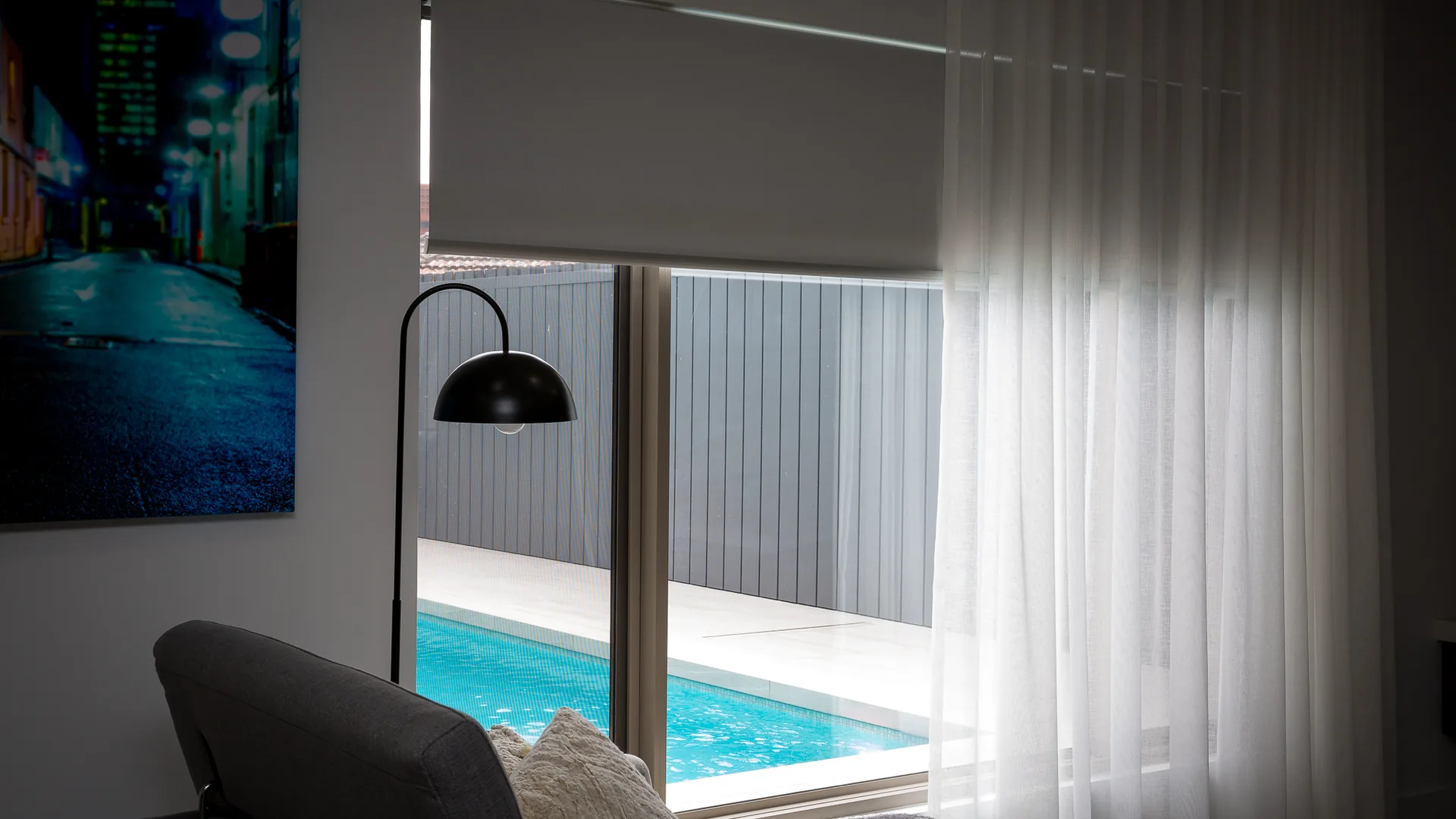
A sheer or sunscreen for daytime glare plus a blockout layer for peak heat gives flexible control. The same idea works with blockout curtains over a roller. See also our guide on sheer vs blockout curtains.
6. Apply heat-reflective or low-E window film
Film reduces solar heat gain and glare. It is often cheaper than new coverings, but it can tint the view and does not add the air-gap insulation of honeycomb or tightly fitted blinds. Treat film as a helper, not a full replacement for coverings.
7. Add pelmets and close-fitting coverings
Warm air circulating over the top of a blind or curtain pulls heat into the room. A pelmet or fascia caps that path. Close side gaps matter too. Explore made-to-measure pelmets when you quote curtains or rollers.
8. Seal gaps and draughts around frames
Weather seals, foam tape and properly closing coverings stop hot air sneaking past the glass. Cheap, high impact, and worth doing before you blame the blind.
9. Upgrade to double glazing or low-E glass (long term)
New glazing is the structural fix. It costs more and disrupts more than blinds, but it pairs brilliantly with good coverings. Many homeowners stage it: blinds now, glass later.
10. Use landscaping, eaves and smart daily habits
Deciduous trees and deep eaves shade summer sun. Daily habit: close coverings on the hot side before the sun hits, then open windows for evening cross-breezes. Motorised blinds make that routine automatic when you are at work.
Do Blinds Actually Keep Heat Out?
Yes, when they fit well and you close them at the right time. They slow radiant and convective heat transfer; they do not replace insulation or air conditioning on a 40°C Melbourne day.
Internal vs external blinds: what’s the difference?
External blinds stop solar energy before it enters the glass. Internal blinds manage heat that has already arrived, by reflecting, insulating and sealing the opening. External wins on raw heat rejection; internal wins on cost, indoor finish and year-round flexibility.
Does blind colour matter?
Yes. Light or white-backed cloth reflects more radiant heat. Dark fabrics absorb and can feel warmer at the glass. Colour on the room side is a design choice; the backing facing the pane is the performance choice.
Which Blinds Are Best for Hot Climates?
Melbourne summers are harsh on west glass and skylights. These four families show up most often on our summer quotes.
Honeycomb blinds
Best internal insulator. Cellular air pockets help summer and winter. Ideal in bedrooms and studies with shallow recesses.
Blockout roller blinds
Strong value, clean look, excellent with light thermal backing and tight recess fit. Pair with side channels where sleep is critical.
Plantation shutters
Tilt control without lifting fabric. Durable street presence. Great where you want airflow with filtered light.
Venetian blinds
Useful for steering light and privacy, but slats leave more air paths than a solid blockout cloth. Better as a glare tool than a primary heat barrier. Panel glide blinds suit large openings that need stack-back more than insulation.
How to Keep West-Facing Windows Cool
West glass takes the late-day punch. Prioritise external awnings or outdoor blinds where the façade allows. Inside, use a light-backed blockout or honeycomb, close it mid-afternoon (not after the room is already hot), and consider a pelmet. Motorisation helps when you are still at work. For living areas that want soft light earlier in the day, layer a sunscreen with a blockout.
How Much Can You Save on Cooling Costs?
YourHome also notes that windows can account for around 40% of a home’s heating energy loss. Summer cooling savings depend on your orientation, glazing, insulation and how consistently you close coverings. We do not invent percentage bill savings. What homeowners reliably feel is fewer hot spots near glass and less struggle for the air conditioner to hold temperature. Send floor plans with your first enquiry to save 20% on all products.
Sources: Australian Government YourHome glazing guidance for the 87% summer heat-gain and ~40% heating-loss figures cited above.
Frequently Asked Questions
Get Expert Help Keeping Your Home Cool
Free in-home measure across Melbourne. We check orientation, reveal depth and gap risk, then quote honeycomb, blockout, shutters or outdoor options in one visit. ★★★★★ 4.7 from 3,000+ verified Google reviews. Save 20% when you send floor plans with your first enquiry.
Ready for cooler windows? Free measure & quote across Melbourne.