How To Hang Heavy Curtains On Plasterboard Or Drywall

Hanging heavy curtains on plasterboard or drywall can be a real headache. Without proper support, those curtains can start sagging, damaging your walls, or worse - falling. And who wants that kind of mess?
But don’t worry, with the right tools and a few easy steps, you can hang heavy curtains securely. In this guide, I’ll show you exactly how to do it, so your curtains will stay up, look great, and last for years!
What You’ll Need to Hang Heavy Curtains
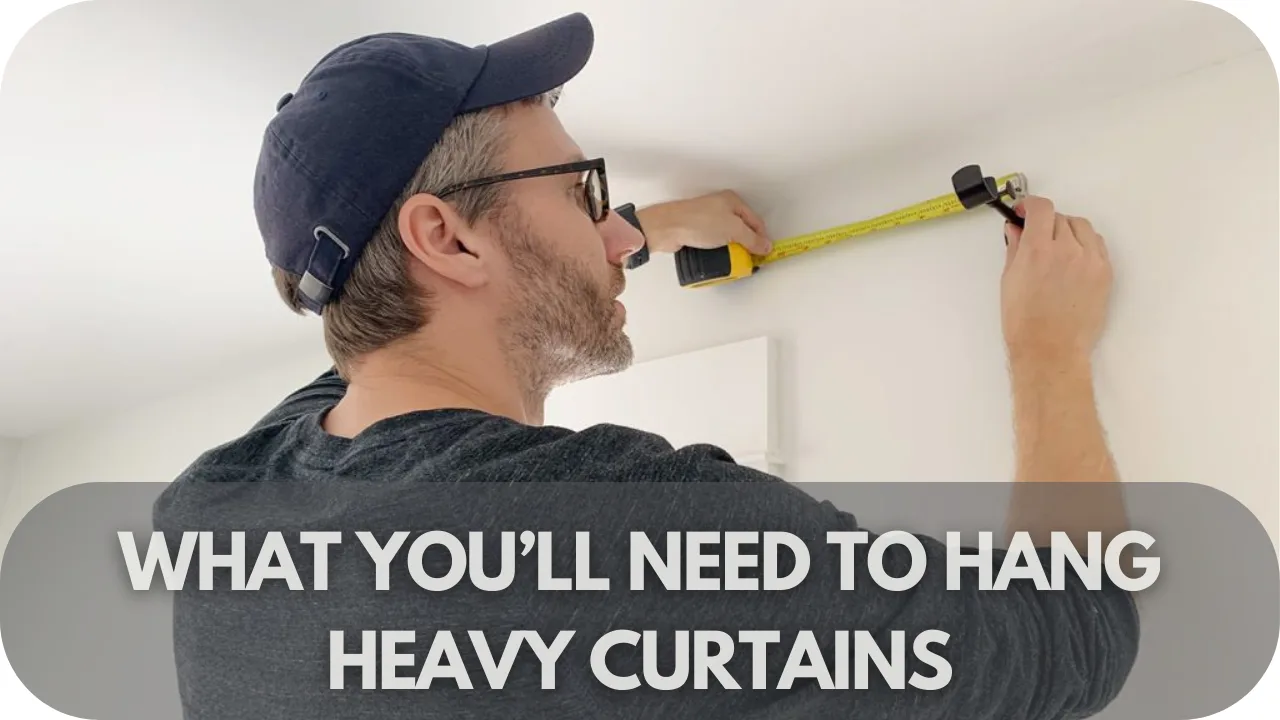
Before hanging heavy curtains on plasterboard or drywall, ensure you have the right tools and materials to do the job safely and effectively. Here’s what you’ll need:
- Curtain Rod and Brackets: Choose a sturdy curtain rod that can support the weight of your curtains. Look for heavy-duty options, preferably made from steel or aluminium, for enhanced durability. Ensure the brackets are designed for heavy curtains.
- Measuring Tape: Accurate measurements are key to ensuring your curtains hang at the right height and width. Use a measuring tape to mark the exact placement of your curtain rods.
- Pencil or Marker: Use a pencil to make light marks where you’ll drill, ensuring precise alignment.
- Drill: A power drill is essential for creating pilot holes for your screws and anchors. Choose the right drill bit for the size of the screws.
- Screws: Opt for screws that are long enough to anchor into the studs or use with wall anchors. Typically, 3-inch screws work well for heavy-duty curtains.
- Wall Anchors or Plugs: These are necessary if you’re drilling into drywall and not a stud. Toggle bolts or heavy-duty wall plugs provide additional support for heavy curtains.
- Level: To ensure your curtain rod is perfectly straight, use a level during installation.
- Screwdriver: For tightening the screws into the brackets or wall plugs.
Preparing Your Wall for Installation
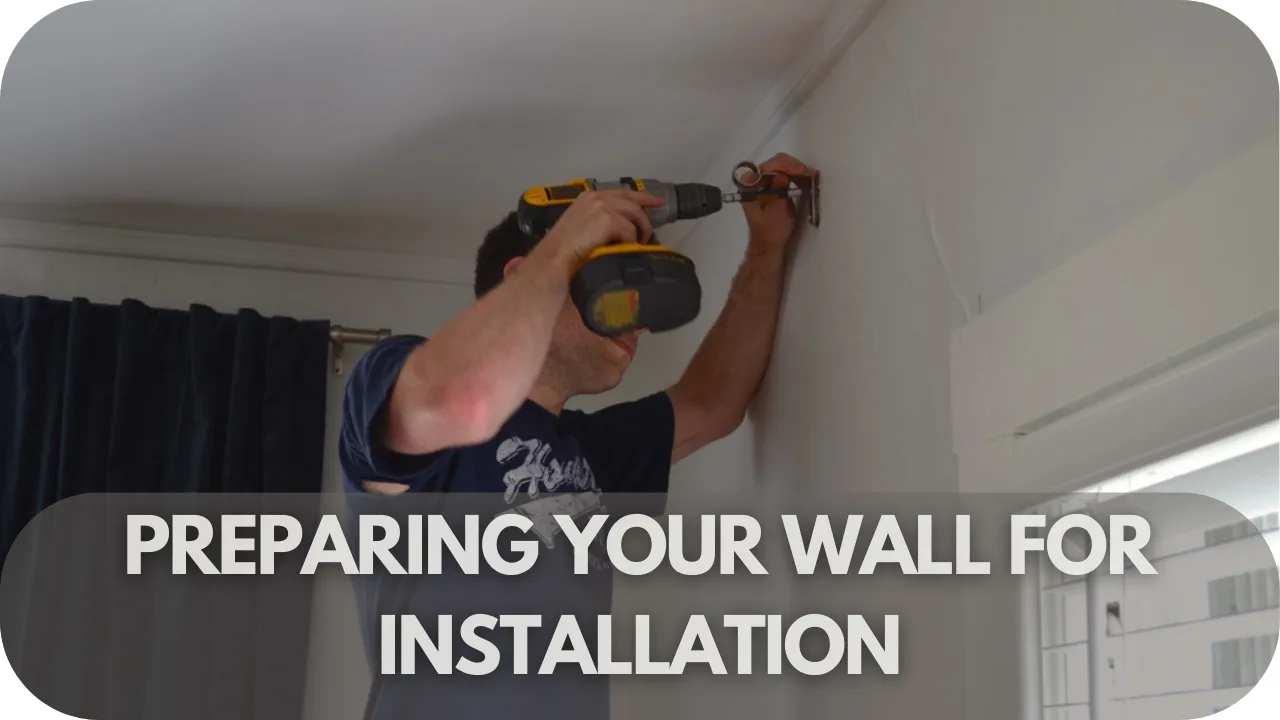
Proper preparation of your wall is essential for a secure and professional-looking curtain installation, especially when hanging heavy curtains on plasterboard or drywall.
Start by locating the wall studs, as they provide the most reliable support for heavy curtains. Use a stud finder to pinpoint the studs behind the drywall.
If you don’t have a stud finder, tap the wall lightly - studs create a solid sound compared to the hollow sound of the space between them. Mark the stud locations with a pencil to guide your drilling.
If you can’t align your curtain brackets with the studs, wall anchors or toggle bolts are necessary to distribute the weight of the curtains more evenly across the wall. These are particularly important when working with drywall, which lacks the natural strength of studs.
Next, measure the desired height for your curtains. Typically, curtains should hang slightly above the window frame or extend to the floor, depending on your style preference. Use a measuring tape to mark the exact spots where the curtain brackets will be attached.
The placement must be level, so use a level tool to check that everything is perfectly straight. Make sure your marks are even on both sides to ensure the curtain rod is symmetrical.
Step by Step Installing the Curtain on Plasterboard or Drywall
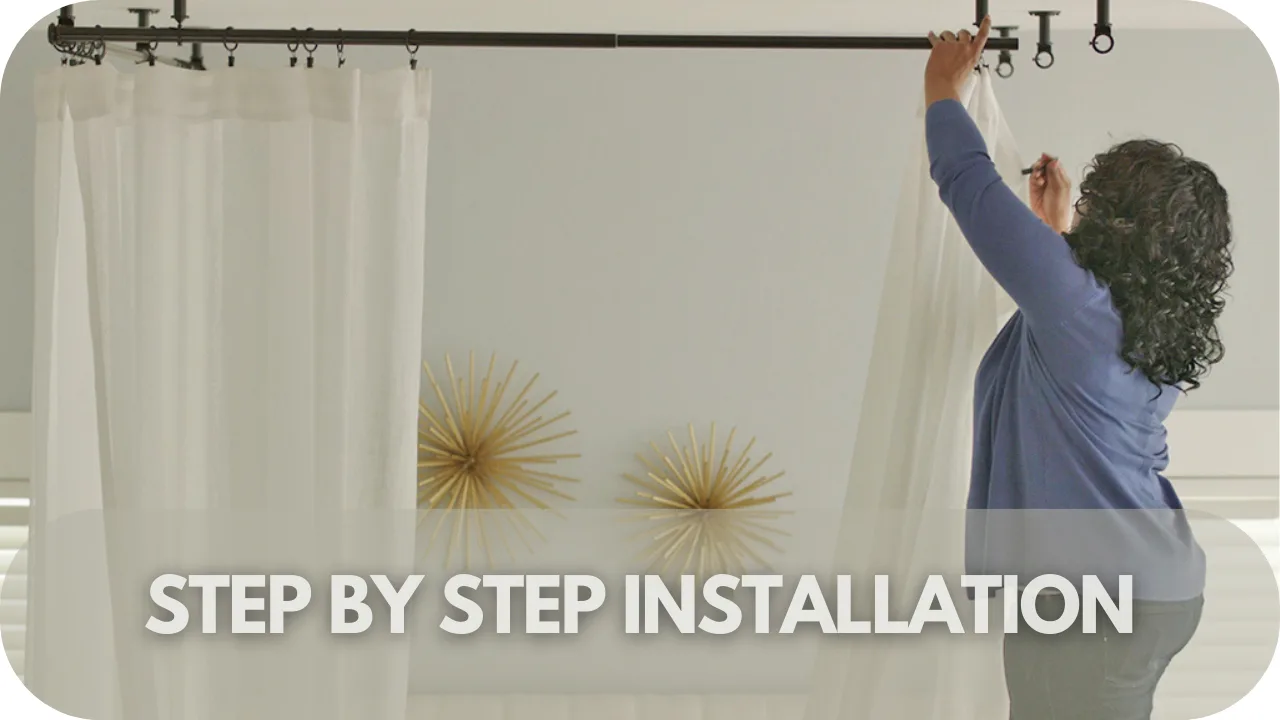
Hanging heavy curtains on plasterboard or drywall can seem challenging, but with the right tools and approach, it’s a straightforward task.
Whether you’re looking to block out light, add privacy, or enhance your room’s décor, securing your curtains properly is crucial to ensure they stay in place. Let’s walk through these simple steps:
Step 1: Mark the Placement of the Brackets
Use a measuring tape to determine the ideal height for your curtain rod. Mark the spots where the brackets will be placed, ensuring they are level. For symmetrical placement, measure the same distance from the edge of the window frame on both sides. Use a pencil to make light marks where you’ll drill the holes.
Step 2: Locate and Mark the Wall Studs
Using a stud finder, locate the studs behind the plasterboard or drywall. Mark their positions with a pencil. If studs are not available where needed, plan to use wall anchors or toggle bolts to secure the brackets in drywall.
Step 3: Drill Pilot Holes
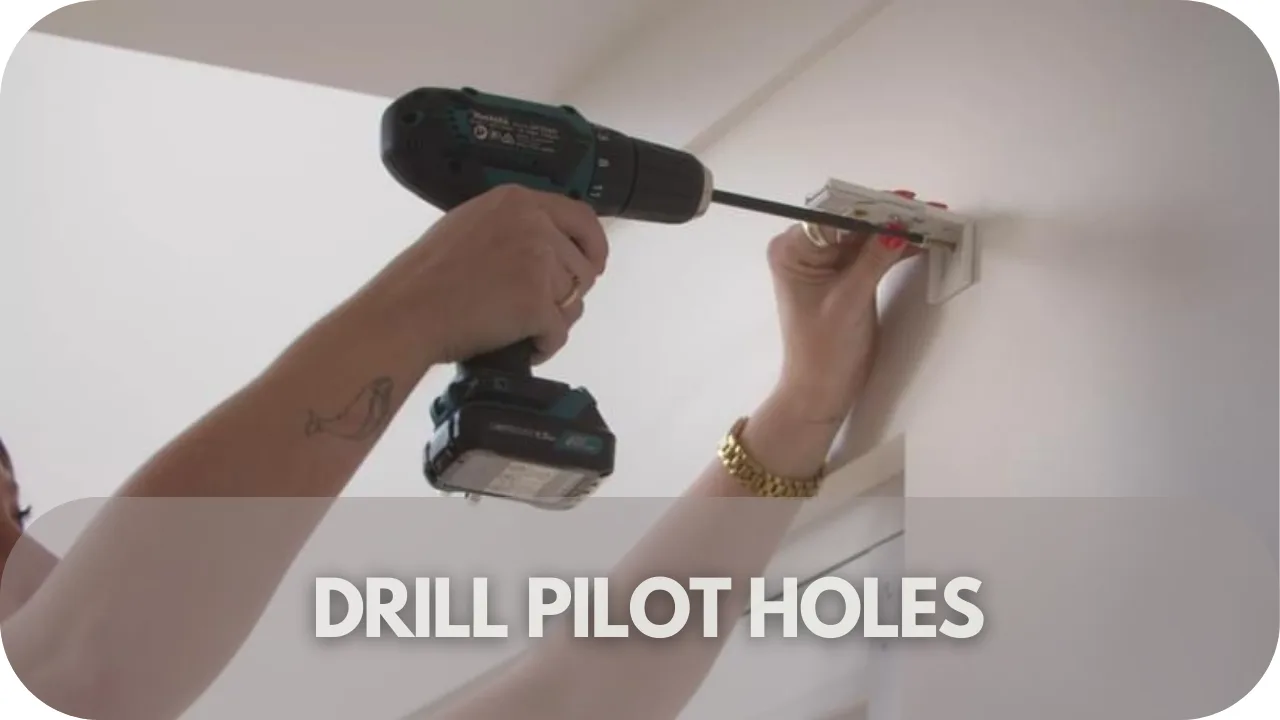
With the marks in place, use a drill to create pilot holes at the marked spots. If you’re drilling into studs, use a drill bit that matches the size of your screws. For drywall, ensure the holes are large enough for your anchors or toggle bolts.
Step 4: Insert Wall Anchors or Toggle Bolts
If you’re using wall anchors or toggle bolts, insert them into the drilled holes. Follow the manufacturer’s instructions to ensure they fit securely. These will provide extra support for the heavy curtains, especially on drywall where studs aren’t aligned with your bracket placement.
Step 5: Attach the Curtain Brackets
Align the curtain brackets with the drilled holes and insert the screws through the brackets into the anchors or studs. Tighten the screws using a screwdriver. Ensure the brackets are level before tightening them fully to prevent uneven curtain hanging.
Step 6: Install the Curtain Rod
Once the brackets are securely attached, place the curtain rod into the bracket supports. Adjust it as necessary to ensure it is evenly spaced. If the rod has additional supports in the middle, install these as well, ensuring everything is aligned and secure.
Alternative Methods for Hanging Heavy Curtains
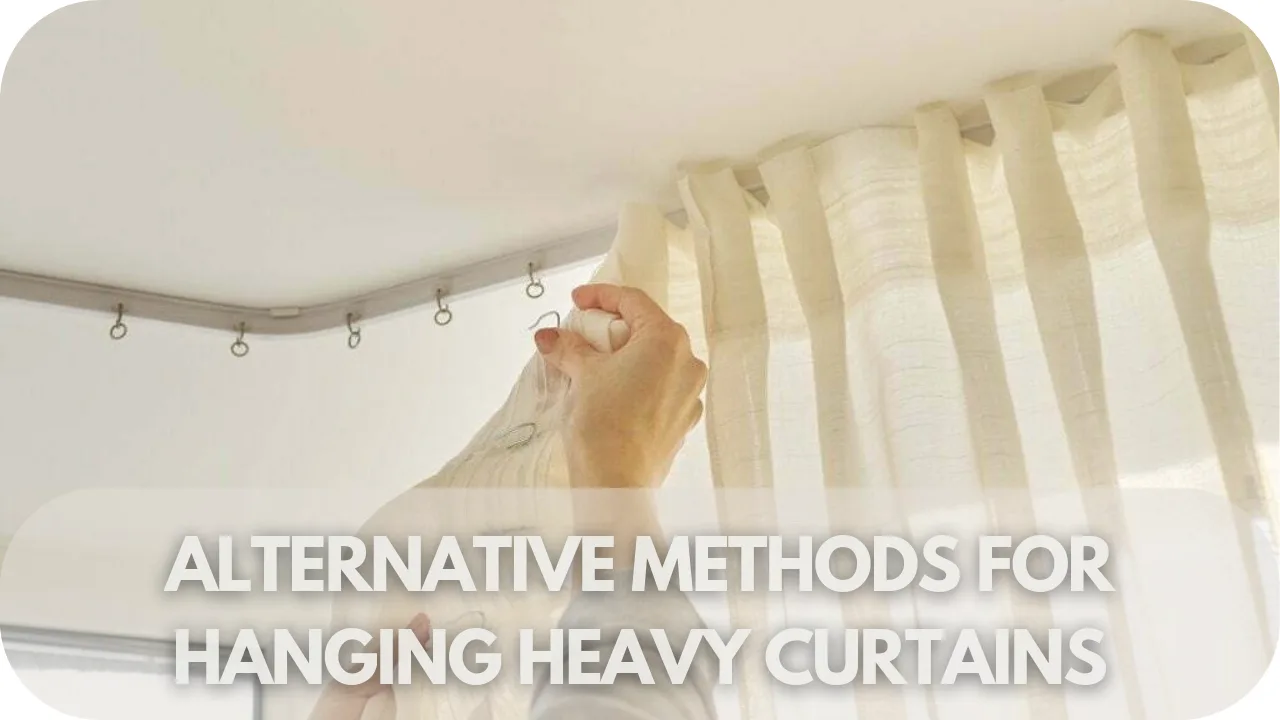
If traditional wall brackets and screws aren’t an option, or if you’re looking for a different approach, there are several alternative methods for hanging heavy curtains. These solutions can offer added support or flexibility for specific needs:
1. Ceiling-Mounted Curtain Rods
For a more modern or minimalist look, ceiling-mounted curtain rods are an excellent choice. This method distributes the weight of the curtains across the ceiling rather than relying on the walls. It’s particularly useful for large windows or when wall space is limited.
Ceiling-mounted rods are also ideal for high-humidity areas like bathrooms, where the wall may not provide enough support.
2. Tension Rods (For Lighter Heavy Curtains)
If you’re working with a lighter but still heavy fabric, tension rods can be a temporary or non-invasive solution. These rods apply pressure against the walls, holding the curtains in place without the need for drilling or screws.
However, tension rods work best in areas where the curtains won’t be moved frequently, and they may not provide enough support for very heavy curtains over time.
3. Tension Wire System
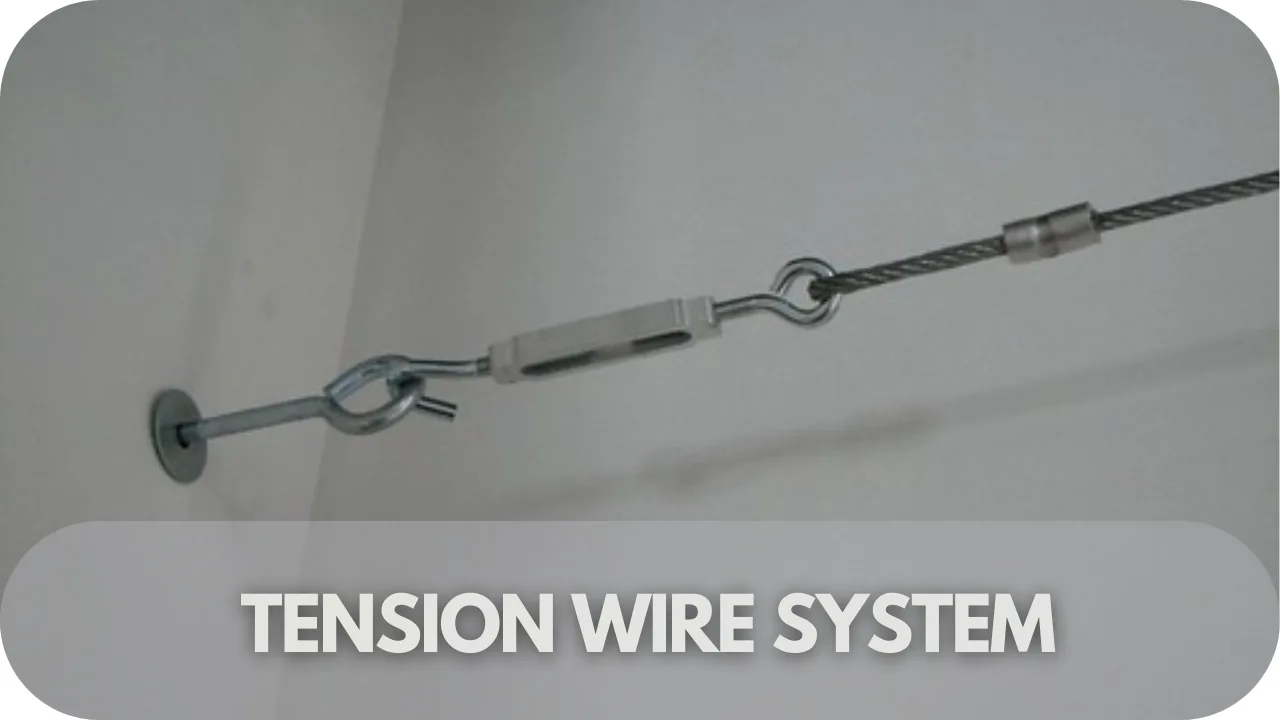
For a sleek, contemporary look, you can use a tension wire system to hang heavy curtains. The wire is mounted to the ceiling or wall with brackets and tightened to provide support.
This method is especially suitable for wide windows or open-plan spaces where traditional curtain rods might not work. The tension wire allows the curtains to slide easily while ensuring that the weight is evenly distributed.
4. Magnetic Curtain Rods
Magnetic curtain rods are an innovative solution for metal-framed windows or spaces where drilling holes isn’t feasible. These rods attach using magnets, providing a simple, no-fuss way to hang curtains without damaging your walls or window frames.
While magnetic rods can hold a significant amount of weight, they are generally more suited for lighter to medium-weight curtains.
Common Mistakes to Avoid
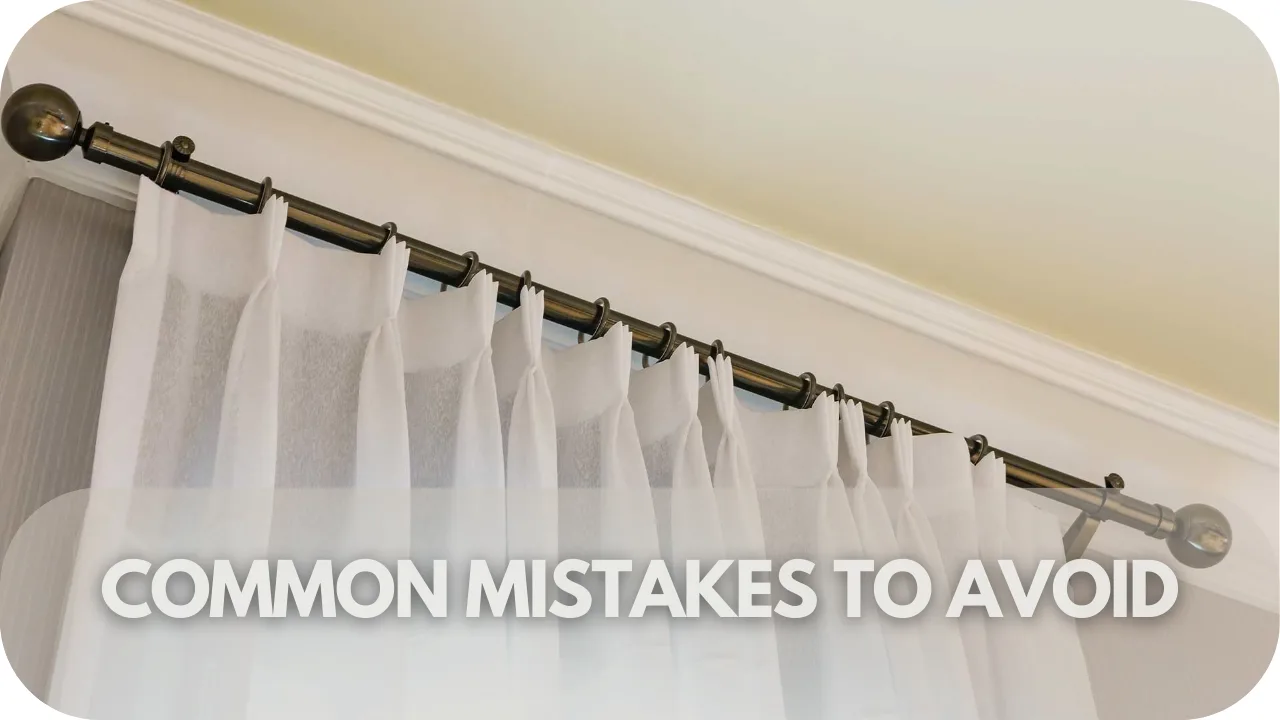
When hanging heavy curtains on plasterboard or drywall, several common mistakes can lead to issues like damage or an unstable installation. One of the biggest errors is not securing the brackets into the studs. Relying solely on wall anchors can result in the curtains sagging or the rod falling over time.
Another mistake is incorrectly measuring the placement of the curtain rod, which can lead to uneven curtains or a poor aesthetic. It’s essential to ensure the rod is installed at the right height and level for a balanced look.
Additionally, using the wrong type of anchors or screws can also cause problems; for heavy curtains, you need strong, heavy-duty anchors that can support the weight. Failing to check for obstructions behind the wall, like pipes or electrical wires, can lead to damaging hidden infrastructure.
Lastly, skipping the pilot hole or not using the correct drill bit size can make it harder to insert screws or anchors, risking damage to the plasterboard or drywall.
Maintenance and Long-Term Tips for Heavy Curtains

To ensure your heavy curtains stay in top condition and continue to function well, regular maintenance and care are essential. Here are some key tips for long-term upkeep:
- Regularly Check the Brackets and Rods: Periodically inspect the brackets and curtain rod to ensure they remain securely fastened. Over time, screws or anchors may loosen, especially with heavy curtains. Tighten any loose screws and replace damaged brackets if necessary.
- Clean Curtains Appropriately: Heavy curtains often collect dust and dirt, so regular cleaning is important. Follow the manufacturer’s instructions for washing or dry cleaning, and avoid over-washing to prevent wear. Use a vacuum with an upholstery attachment to remove dust between cleanings.
- Avoid Excessive Pulling: When opening or closing heavy curtains, always use the fabric itself or a curtain pull to avoid putting too much strain on the rod and brackets. Excessive pulling can weaken the mounting hardware and cause it to come loose over time.
- Reinforce Weakened Mounts: If you notice that the curtain rod or brackets have started to bend or sag, reinforce them immediately. This may involve adding extra brackets for support or replacing lightweight anchors with heavy-duty wall plugs or toggle bolts.
- Protect from Sun Damage: Direct sunlight can cause fading and weakening of both the fabric and hardware. Consider using a protective curtain liner to reduce sun exposure or rotate the curtains occasionally to prevent uneven wear.
- Adjust for Proper Weight Distribution: Heavy curtains can sometimes shift or sag unevenly. If this happens, adjust the positioning of the brackets and rods to ensure the weight is properly balanced and evenly distributed across the curtain rod.
Conclusion
Now that you’re equipped with the right tools and techniques, hanging heavy curtains on plasterboard or drywall is within reach.
Follow these steps carefully, and you’ll enjoy beautifully hung curtains that stand the test of time. Ready to get started? Grab your tools and make your space more stylish today!