Transforming Spaces: Accessible Blinds and Sheers Designed for People with Cognitive Impairments
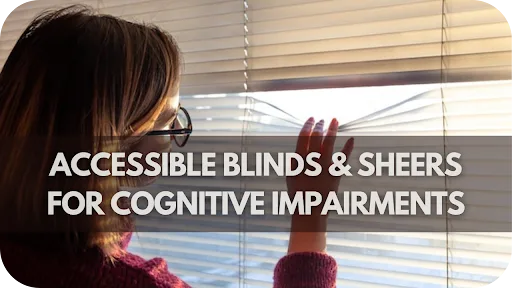
Imagine watching a loved one struggle with something simple as adjusting blinds – a task many take for granted. When I saw how confusing the cords and controls were for my friend’s mum, who lives with cognitive impairments, I knew there had to be a better solution.
Accessible blinds and sheers aren’t just about aesthetics; they’re about creating a home environment where everyone feels safe, independent, and comfortable. In this guide, I’ll explore practical, user-friendly window treatment options that make a difference.
What are Cognitive Impairments?
Cognitive impairments are conditions that affect memory, learning, perception, problem-solving, and attention. They may result from brain injuries, developmental disorders, or age-related conditions like dementia. Individuals with cognitive impairments often face challenges in daily activities, requiring environments adapted to support their unique needs.
Types of Blinds and Sheers Suitable for Cognitive Impairments

Selecting appropriate window treatments is crucial for enhancing the comfort and independence of individuals with cognitive impairments. Into Blinds offers a range of blinds and sheers designed with accessibility in mind. Here are some suitable options:
1. Motorised Roller Blinds
Motorised roller blinds offer smooth, hands-free control through remotes, smartphone apps, or smart home systems. This setup is ideal for individuals with cognitive challenges, as it reduces the need for manual adjustments.
With motorised blinds, users can schedule times for the blinds to open and close, helping establish a predictable routine, which can be comforting and reduce confusion.
These blinds also feature a streamlined design that fits seamlessly into various interior styles, making them a versatile option for multiple rooms, creating a sense of style for people with cognitive impairments.
.
2. Vertical Blinds with Large, Easy-to-Grip Controls
Vertical blinds with oversized, tactile controls provide an intuitive way to manage light and privacy. The vertical slats make it easy to control the direction and amount of light entering the room, allowing individuals with cognitive impairments to adjust their surroundings without complex steps.
The extensive controls ensure straightforward handling, giving individuals with cognitive impairments greater independence. Vertical blinds also help with privacy, and the design works well in various settings, from bedrooms to living rooms, while supporting ease of use.
3. Sheer Curtains with Simple Pull Mechanisms

Sheer curtains are a soft, stylish option that diffuses natural light to create a calm atmosphere. When equipped with straightforward pull mechanisms, they become an accessible choice for those with cognitive impairments.
Sheer curtains’ simplicity reduces cognitive load, allowing individuals with cognitive impairments to adjust them without confusion. The light-filtering fabric can soften sunlight, reducing glare and creating a peaceful setting. Additionally, sheer curtains can enhance privacy and control light layered with other privacy and light control treatments.
4. Roman Blinds with Automated Features
Roman blinds blend elegance with functionality and can be equipped with automated controls. These blinds can be scheduled to open and close at specific times, reducing the need for manual adjustments and helping establish a steady routine.
This predictability can benefit individuals with cognitive impairments, as it supports familiarity and comfort. Roman blinds, with their decorative folds, also add a touch of sophistication, enhancing the overall look of a room while providing functional light and privacy control.
5. Honeycomb Blinds for Noise Reduction
Honeycomb or cellular blinds have a unique cellular structure that traps air, providing excellent insulation and sound absorption. This feature is particularly beneficial for individuals with cognitive impairments who may be sensitive to external noises.
Honeycomb blinds reduce ambient noise, creating a more serene and focused environment. Additionally, their energy-efficient properties help maintain a comfortable room temperature, contributing to overall well-being for people with cognitive impairments.
6. Panel Glide Blinds for Easy Operation
Panel glide blinds are an accessible choice for large windows or sliding doors. They offer smooth operation through wide fabric panels that glide along a track. These blinds can be easily stacked to the side, allowing unobstructed views and convenient access to doors or windows.
The gliding mechanism is straightforward, making them suitable for individuals with cognitive impairments who may benefit from more straightforward, intuitive controls. Panel glide blinds also work well as room dividers, adding versatility to the space while ensuring ease of use.
Key Features of Accessible Blinds and Sheers

Accessible blinds and sheers feature motorised controls, simplified operation, and high-contrast colours for easy handling. Integrated with smart systems and cordless designs, they enhance safety and ease of use. Here are what to look for:
- Simplified Operation Mechanisms: Accessible blinds often feature simple, user-friendly controls, such as single-button remotes or touch-sensitive panels, which make adjustments more effortless for people with cognitive impairments.
- Motorised and Remote-Controlled Options: For people with cognitive impairments, motorised blinds offer convenience, with options to control them through remotes, smartphone apps, or even voice commands. This reduces physical handling and makes daily use effortless.
- Contrasting Colours and Textures for Easy Identification: High-contrast colours and distinct textures help individuals quickly recognise and differentiate blinds, adding a sensory aid for easier handling.
- Integration with Smart Home Systems: By connecting with smart home systems, accessible blinds can be controlled automatically, following schedules or adjusting to room conditions, providing a safer, more predictable environment for individuals with cognitive impairments.
- Cordless and Safety Features: Cordless designs and additional safety features prevent entanglements and accidents, ensuring a secure space, especially for those prone to confusion or physical difficulties.
- Customisable Sensory Elements: Tactile or sensory additions allow people with cognitive impairments to engage with the blinds through touch, catering to varied sensory needs and preferences.
Benefits of Accessible Blinds and Sheers

Accessible blinds and sheers offer numerous benefits for individuals with cognitive impairments, from enhancing independence and safety to reducing sensory overload and promoting comfort and well-being.
- Enhanced Independence: Accessible blinds and sheers empower individuals with cognitive impairments to control their environment independently. Features like motorisation, remote controls, and simplified mechanisms allow users to adjust blinds and sheers without assistance, fostering a sense of autonomy in daily tasks.
- Increased Safety: Cordless designs and motorised options eliminate the risk of entanglement and accidents, especially for those prone to confusion or difficulty with fine motor skills. Additionally, integrated smart systems can help automate blinds, preventing sudden exposure to glare or creating a consistent, safe environment for those with cognitive impairments.
- Reduced Sensory Overload: Accessible blinds can diffuse harsh sunlight and reduce glare, creating a more calming space for individuals sensitive to bright light or visual clutter. Honeycomb blinds, for instance, reduce ambient noise, offering a quieter, more focused environment for people with cognitive impairments to relax.
- Consistency and Routine: Automated blinds can be programmed to open and close at specific times, establishing a routine that helps create a structured day for people with cognitive impairments with predictable patterns. This consistency can reduce stress and confusion, supporting a smoother daily experience.
- Improved Comfort and Energy Efficiency: Blinds with insulating properties, such as honeycomb blinds, help regulate indoor temperatures, making rooms for people with cognitive impairments more comfortable year-round. These energy-efficient options contribute to temperature stability, significantly benefiting individuals who may not adjust to temperature changes as quickly.
- Better Quality of Life: Accessible blinds and sheers provide a more comfortable, empowering, and supportive living environment for people with cognitive impairments. With added ease of use, safety, and sensory benefits, these window treatments enhance the overall well-being of individuals with cognitive impairments, allowing them to enjoy a higher quality of life in their homes.
Choosing the Right Accessible Blinds and Sheers

Selecting accessible blinds and sheers involves balancing functionality, safety, and the user’s needs. Here’s what to consider when selecting blinds for people with cognitive impairments:
- Assessing User Needs: Start by evaluating the user’s level of cognitive impairment and any specific challenges they may face. For example, individuals struggling with manual controls will benefit from motorised or automated options. Consider sensory sensitivities to light or noise to choose blinds that reduce glare or offer soundproofing.
- Prioritising Ease of Operation: Choose blinds with simple, intuitive controls. Motorised blinds with remote or voice activation, as well as blinds integrated with smart home systems, offer maximum ease and independence. Cordless designs or extensive, easy-to-grip controls promote straightforward, safe operation for people with cognitive impairments.
- Considering Light and Privacy Needs: Balance the need for natural light with privacy. Sheer curtains provide soft, filtered light while maintaining privacy, making them suitable for living spaces. In bedrooms, honeycomb or blackout blinds ensure restful sleep by blocking out light.
- Selecting Durable and Low-Maintenance Materials: Opt for durable and easy-to-clean materials. This reduces upkeep and ensures the blinds remain safe and in good condition. Fabric treatments or materials that resist stains and dust can be especially helpful in maintaining a clean, accessible environment for people with cognitive impairments.
- Customisation for Individual Preferences: Look for customisable options that cater to the user’s unique preferences. Features like contrasting colours for easy recognition or tactile elements for sensory engagement can make the blinds more accessible and enjoyable.
- Consulting a Professional for Guidance: For the best results, consider consulting with a blind specialist who can assess the user’s needs and recommend suitable options, such as motorised blinds for accessibility. Professionals can provide insight into custom solutions and help ensure that the chosen blinds meet all accessibility and safety standards for individuals with cognitive impairments.
Customisation and Personalisation Options

Customisation and personalisation options for accessible blinds and sheers are essential in creating a comfortable and empowering environment for individuals with cognitive impairments.
Customised solutions begin with selecting colours, textures, and patterns that offer contrast for easy recognition, which can be helpful for those who benefit from visual cues.
Adding tactile elements, such as different fabric textures, can also enhance sensory engagement, making it easier for users to interact with and operate the blinds.
Motorisation and remote control options further personalise the experience, allowing people with cognitive impairments to choose settings that adjust light and privacy according to their routines.
Smart integration with home systems adds a layer of convenience, enabling blinds to open and close automatically based on the time of day or lighting conditions. Additionally, durable, low-maintenance materials ensure the blinds are long-lasting and easy to clean, reducing the need for frequent adjustments.
Customised blinds and sheers provide a personalised solution that enhances safety, independence, and comfort for people with cognitive impairments.
Conclusion
Accessible blinds and sheers transform homes into supportive, empowering spaces for people with cognitive impairments. Are you ready to enhance safety, comfort, and independence?
Find the perfect, custom-fit solution at Into Blinds, Australia’s most trusted blinds and curtains supplier. Elevate your home environment today – explore our range and see the difference thoughtful design makes!