Are There Window Treatments That Can Help Me Reduce My Allergies?
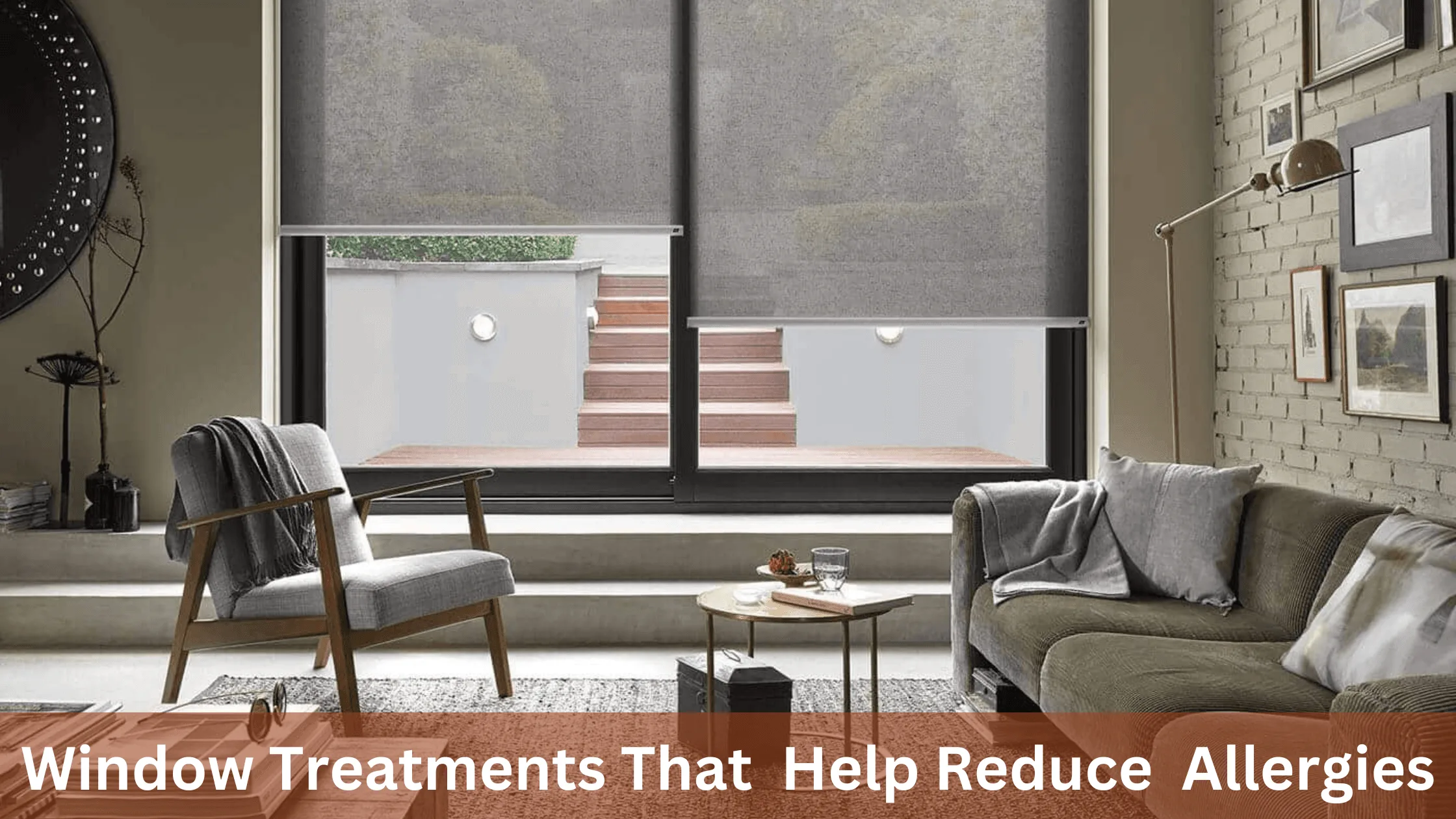
Suffering from allergies can make everyday living uncomfortable, especially in your home.
Dust, pollen, and other allergens can quickly accumulate on traditional window treatments, exacerbating your symptoms. This often leads to continuous sneezing, itchy eyes, and respiratory issues, making it difficult to find relief.
Fortunately, selecting the right window treatments can significantly reduce allergens in your home. Explore how specific blinds and curtains can improve air quality and provide a healthier living environment.
Are There Window Treatments That Can Help Me Reduce My Allergies?
Yes, specific window treatments can help reduce allergies. Opt for materials that are easy to clean and don’t trap dust, such as roller blinds, faux wood blinds, or shutters. Avoid fabrics like curtains or drapes, which can accumulate allergens.
Features of Allergy-Friendly Window Treatments
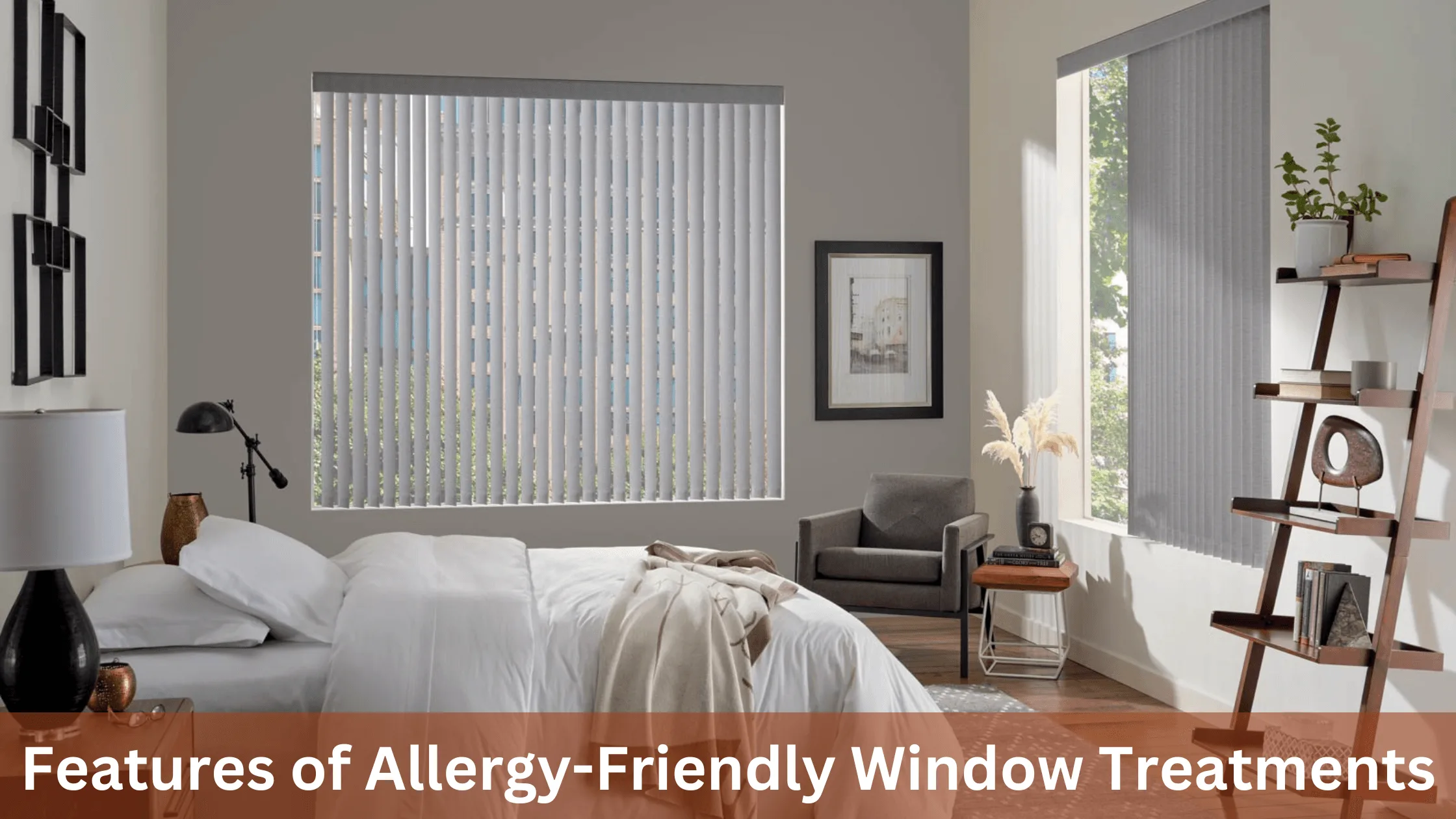
Choosing the right window treatments can significantly reduce allergens in your home. Allergy-friendly window treatments are designed with specific features that minimise allergen accumulation and improve indoor air quality.
Below are some of the allergy-friendly window treatments features;
- Material Selection: Choose synthetic materials like polyester or microfibre. These materials are less likely to harbour dust mites and mould. Additionally, synthetic materials are easier to clean, ensuring allergens are regularly removed.
- Ease of Cleaning: Look for window treatments that are machine washable or can be easily wiped down. Avoid heavy, layered drapes that can trap dust, and opt for lightweight, single-layered options to facilitate easy cleaning.
- Anti-Static Properties: Select treatments with anti-static coatings to repel dust. These coatings prevent dust from settling on the fabric. Some treatments are also treated with antimicrobial agents to inhibit mould and bacteria growth, further reducing allergens.
- Tight Weaves and Smooth Surfaces: Window treatments with tight weaves and smooth surfaces are preferred. Such surfaces do not provide crevices for dust and allergens to settle. Due to their soft, easy-to-clean surfaces, excellent choices include roller blinds, vertical blinds, and shutters.
- Dust-Resistant Finishes: Consider window treatments with dust-resistant finishes to reduce dust accumulation. These finishes make it easier to maintain a cleaner environment and reduce allergen build-up.
- Hypoallergenic Materials: Use hypoallergenic materials designed to minimise allergic reactions. These materials are specifically crafted to be safe for those with sensitivities, making them ideal for allergy-friendly homes.
- Minimal Fabric Usage: Avoid using excessive fabric in window treatments to reduce dust collection. Simpler designs with minimal fabric are easier to maintain and keep clean, reducing allergen accumulation.
Best Types of Window Treatments for Allergy Sufferers
If you’re an allergy sufferer, you know that even the most irritants can turn your home into a battleground of sniffles and sneezes. Unfortunately, your windows can be a major culprit, letting in pollen, dust, and other allergens that wreak havoc on your respiratory system.
The key is to opt for materials and styles that are easy to clean, don’t trap dust, and prevent allergens from entering your home. Here are some of the best options to consider:
1. Roller Blinds
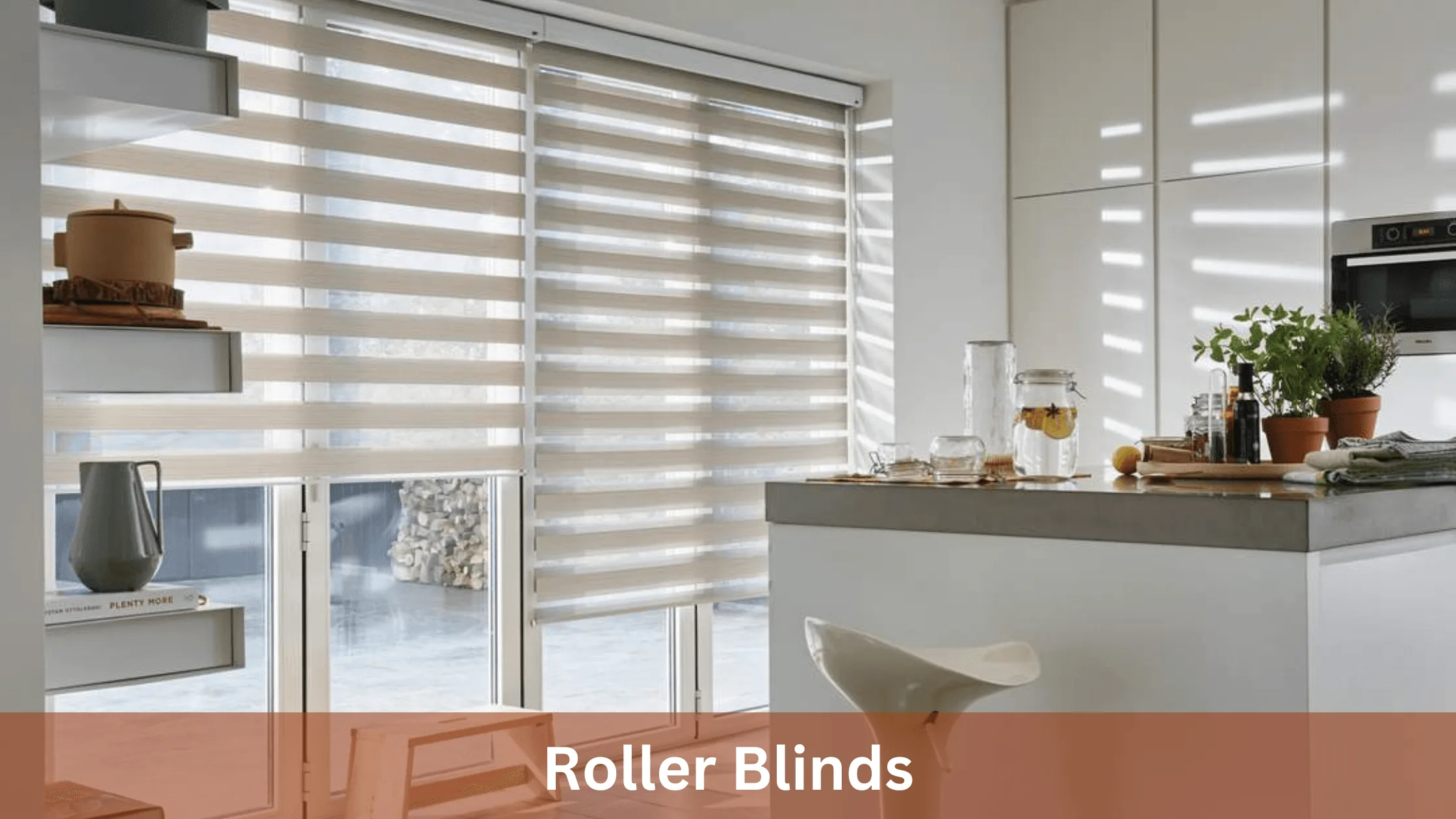
Sleek, simple, and surprisingly effective – that’s the magic of roller shades for allergy sufferers. These shades consist of a single piece of fabric that rolls up neatly onto a tube, leaving minimal surface area for dust and allergens to cling to.
When choosing roller shades, opt for materials like vinyl or tightly woven fabrics that are easy to wipe clean. These materials won’t trap dust or pollen, making them a breeze to maintain.
For an extra allergy-fighting boost, consider blackout roller shades. Their thicker fabric blocks light and provides an additional barrier against allergens trying to sneak in through your windows.
Remember, the simpler the design, the easier it is to keep clean. Roller shades are a minimalist’s dream, offering style and function for those seeking relief from allergies. Their smooth surfaces and easy operation make them a top choice for creating a healthier, allergen-free environment in your home.
2. Vertical Blinds
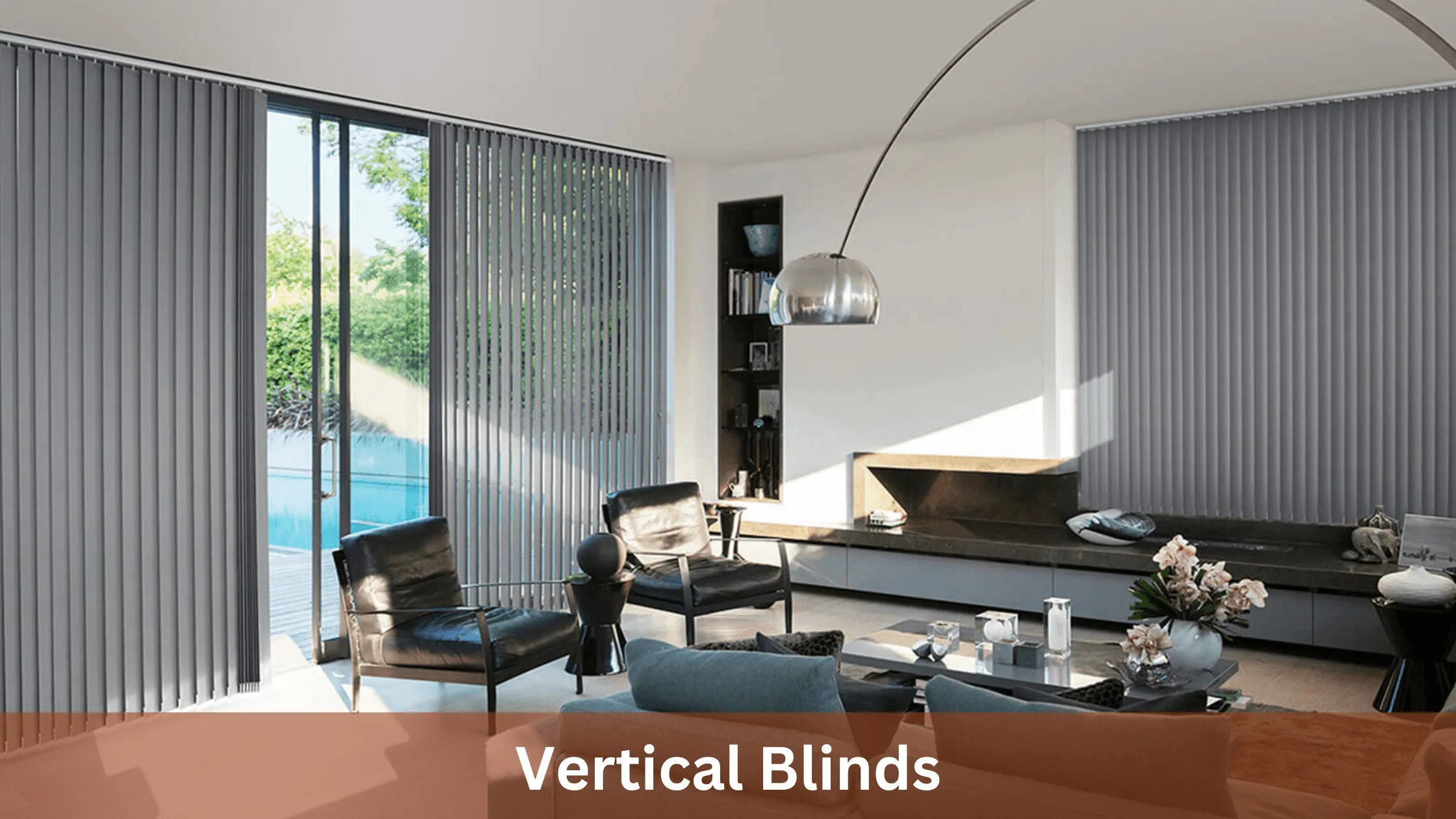
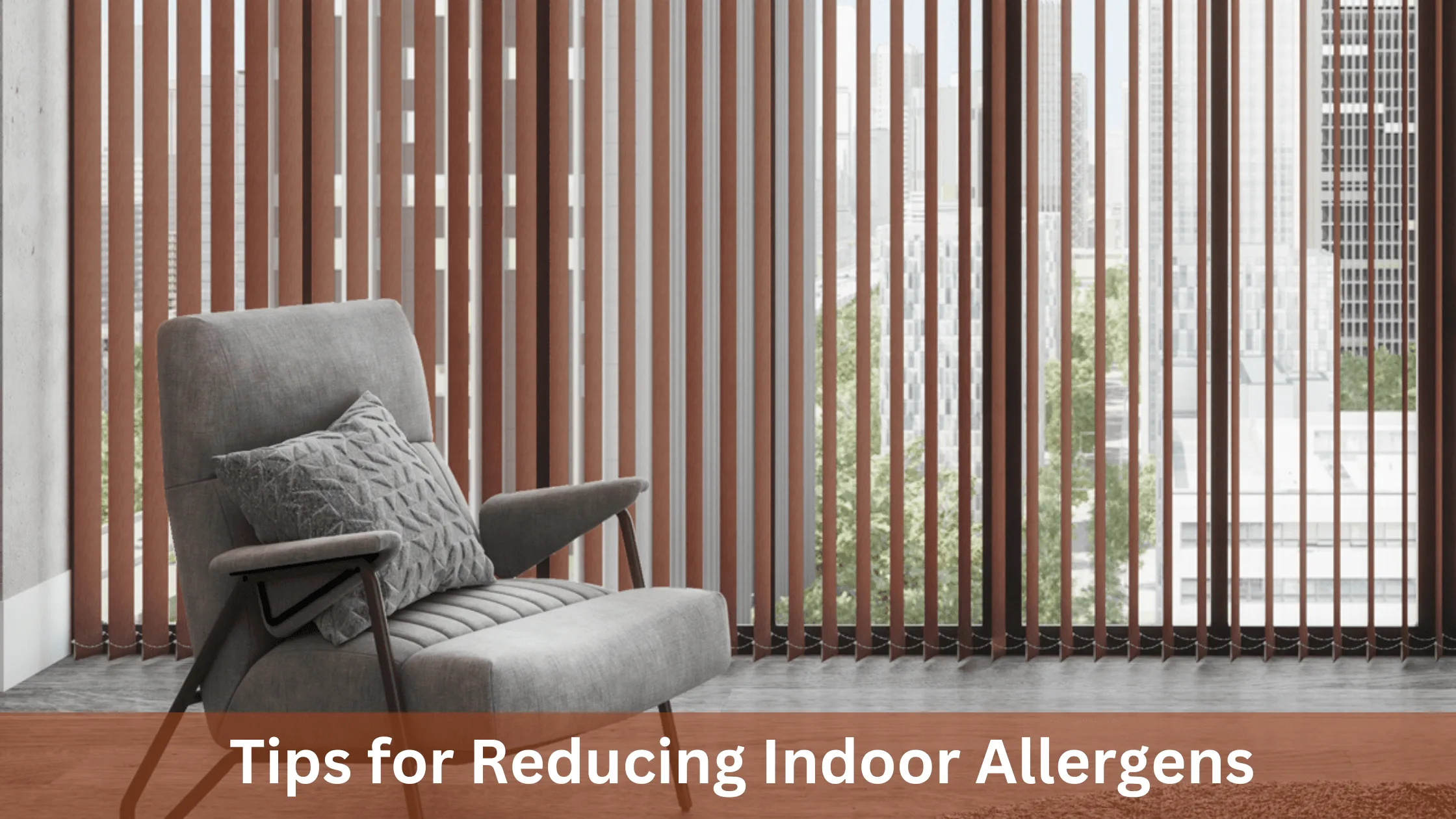
Tired of sneezing fits every time you open your windows? Vertical blinds could be your allergy-busting solution. Unlike horizontal blinds, their vertical slats create less surface area for dust and allergens to settle, making them a healthier choice for your home.
When shopping for vertical blinds, choose materials like vinyl or PVC. These smooth, non-porous materials are resistant to dust mites and easy to clean with a damp cloth. Avoid fabric vertical blinds, as they tend to trap allergens and are more difficult to clean thoroughly.
Another advantage of vertical blinds is their versatility. You can easily adjust the amount of light entering your room by rotating the slats, and they’re available in a wide range of colours and patterns to suit your style. Plus, they’re an excellent option for large windows and patio doors.
3. Cellular Shades
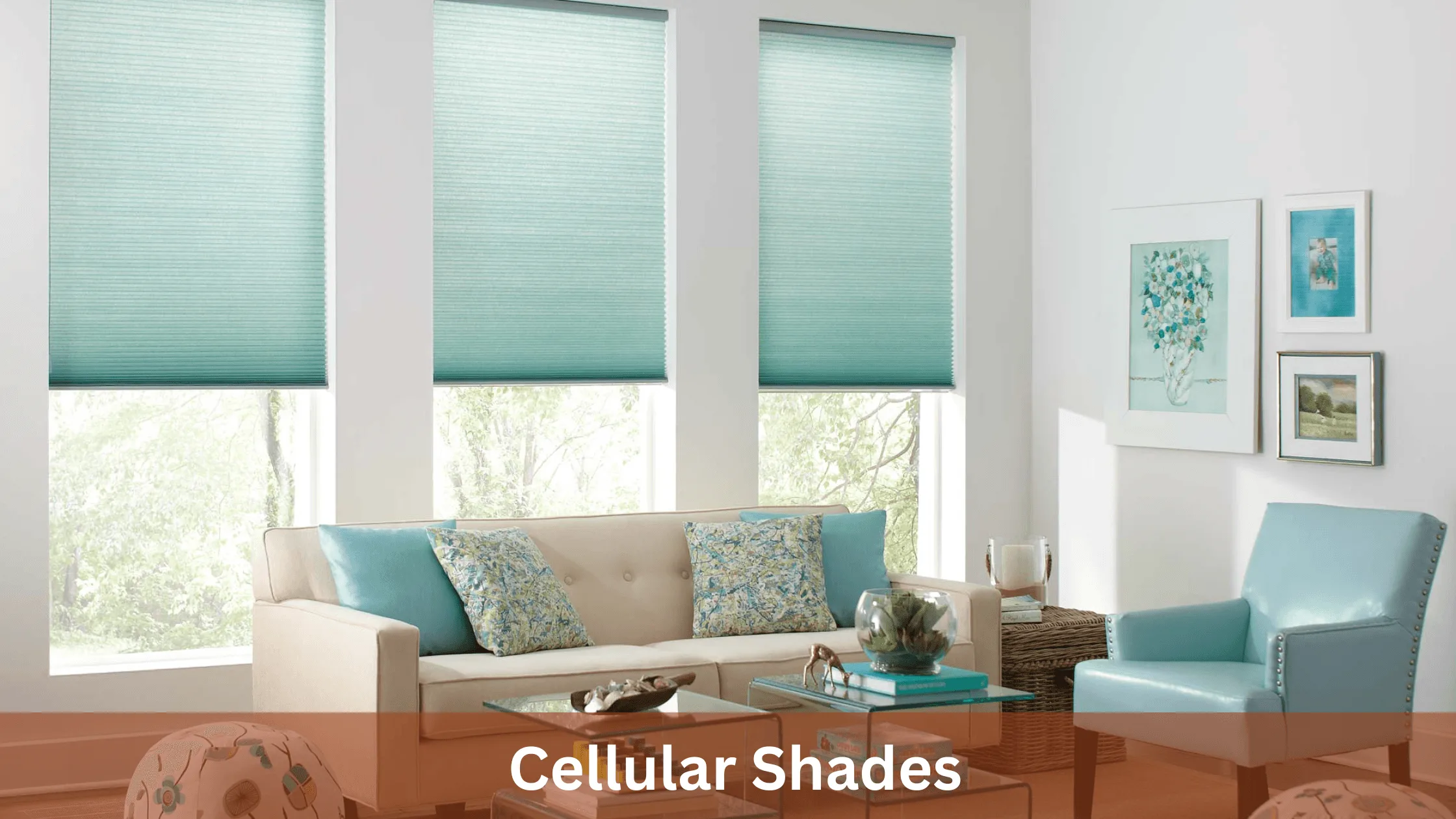
Looking for a stylish and allergy-friendly window treatment? Cellular shades, also known as honeycomb shades, might be the answer. Their unique honeycomb structure traps air, creating an insulating layer that helps regulate temperature and block out allergens.
But the benefits don’t stop there. Cellular shades are made from soft, non-woven fabrics that resist dust and pollen buildup. Unlike blinds with slats, their continuous surface leaves fewer places for allergens to hide, making them easier to clean and maintain.
When choosing cellular shades, look for options with anti-static and antimicrobial properties. These features help repel dust and prevent the growth of mould and mildew, further reducing allergens in your home.
Remember, proper maintenance is key to maximising the allergy-fighting power of cellular shades. Regularly vacuuming or dusting them with a soft cloth will keep them clean and irritant-free. Investing in high-quality cellular shades and maintaining a consistent cleaning routine allows you to enjoy a more comfortable and allergy-free living space.
4. Plantation Shutters
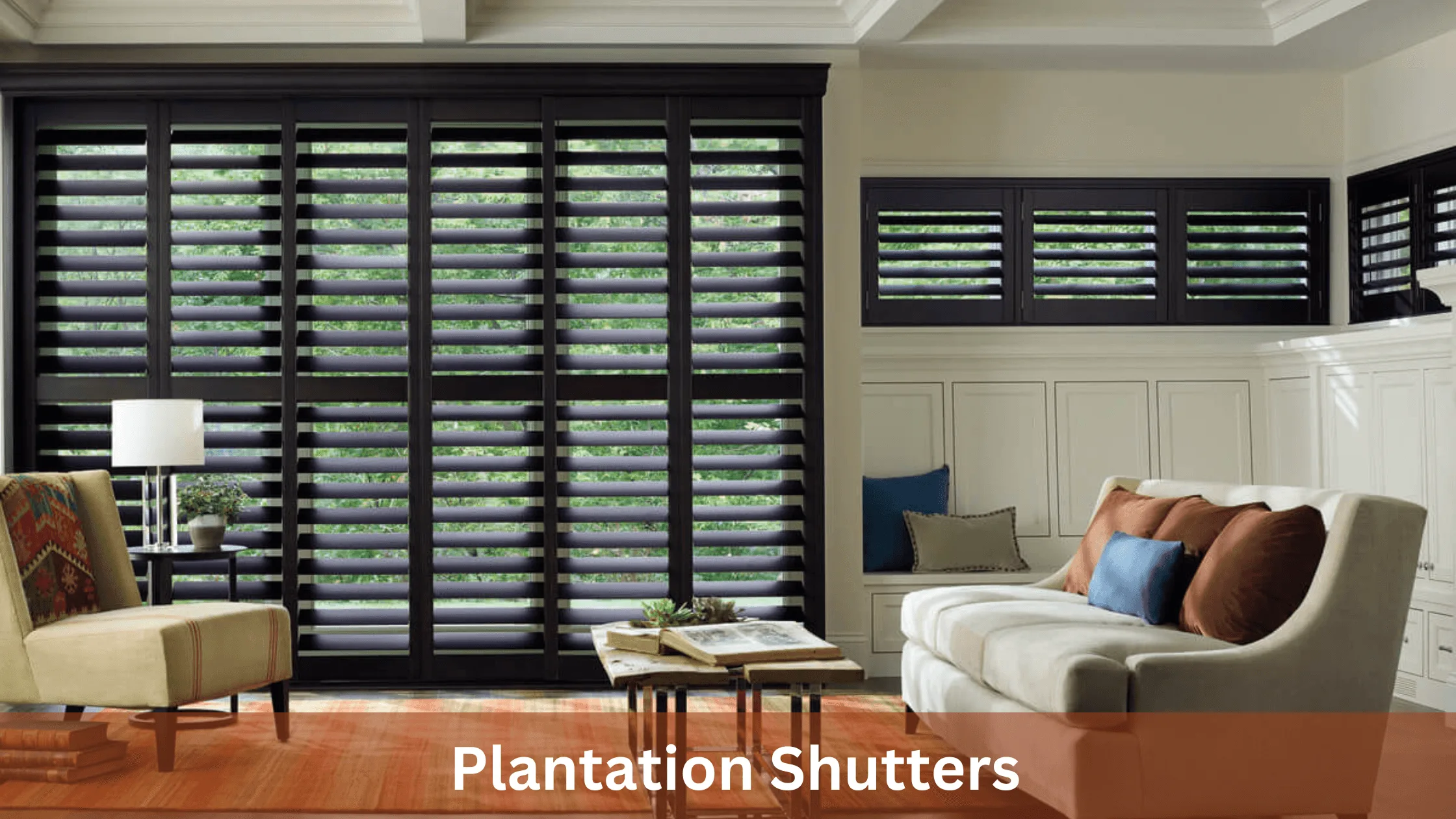
Yearning for a timeless look that won’t compromise your allergy relief? Plantation shutters offer a stylish solution. Their solid construction and smooth surfaces make them a formidable barrier against dust, pollen, and other allergens.
Unlike fabric window treatments that trap dust, plantation shutters are typically made of wood or faux wood, naturally resistant to allergens. Their sturdy design prevents dust from accumulating in hard-to-reach crevices, making cleaning a breeze with a simple wipe or dusting.
Plantation shutters offer superior allergy protection and enhance your home’s aesthetic appeal and energy efficiency. Their adjustable louvres allow you to control light and ventilation, creating a comfortable and healthy environment for you and your family.
When choosing plantation shutters, opt for materials that are easy to clean and maintain, such as polyvinyl or painted wood. These materials are durable and resistant to moisture, further reducing the risk of mould and mildew growth.
5. Blackout Curtains
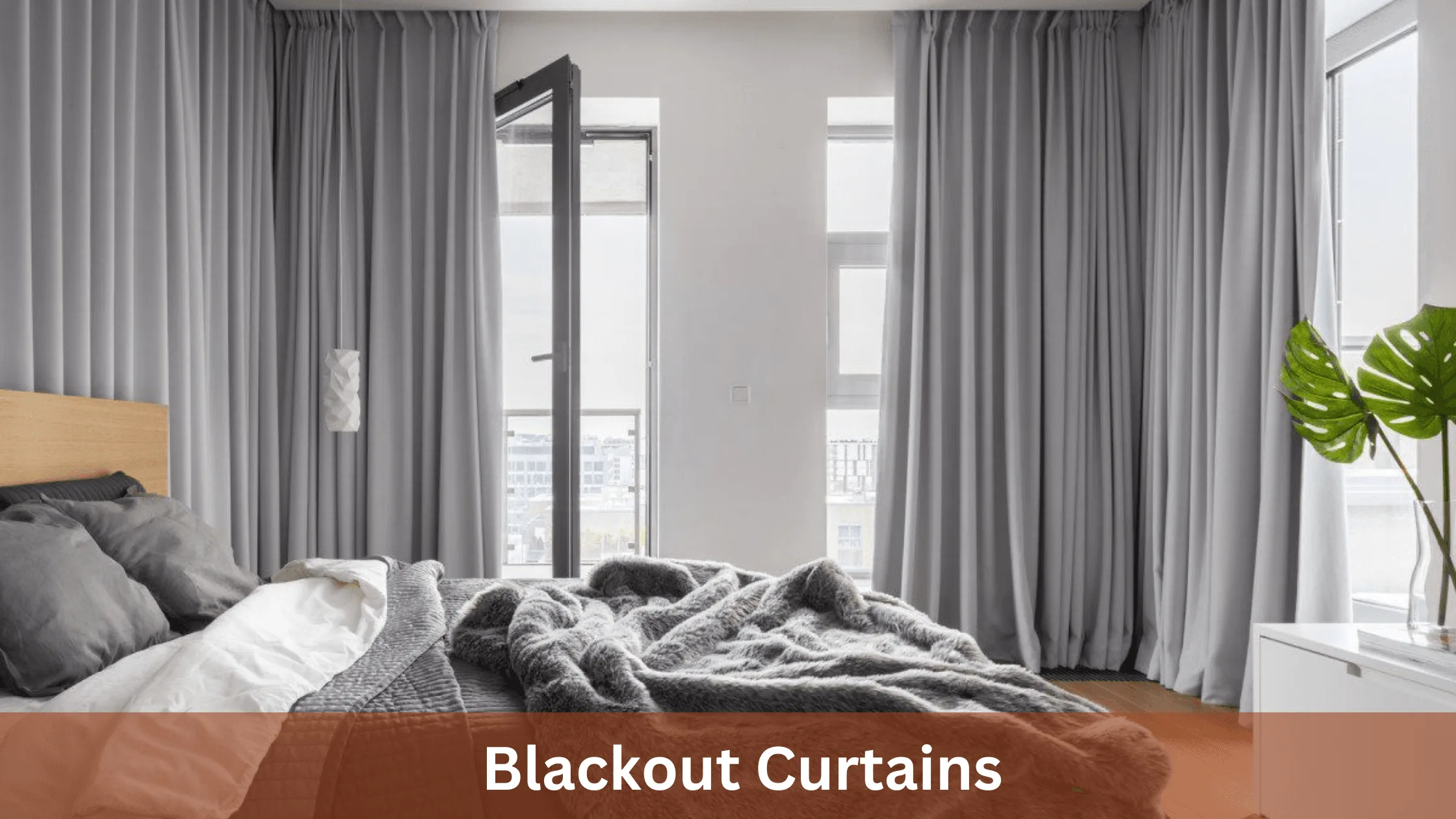
Want to block out light and allergens in one fell swoop? Blackout curtains offer a dual benefit for allergy sufferers. Their thick, tightly woven fabric creates a pitch-black sleep haven and is a barrier against pollen, dust mites, and other airborne irritants.
The secret lies in their multi-layered construction. Blackout curtains typically feature a dense inner layer that blocks light, sandwiched between two fabric layers that add insulation and further filter out allergens. This extra layer of protection can significantly reduce the amount of allergens entering your home through windows.
When choosing blackout curtains, look for materials that are easy to clean and maintain, such as polyester or cotton blends. Avoid fabrics that attract dust or are difficult to wash, as these can exacerbate allergies. Additionally, curtains with an antimicrobial coating should be considered to inhibit the growth of mould and mildew.
Remember, regular cleaning is crucial for keeping blackout curtains allergen-free. Vacuum them regularly with a brush attachment or toss them in the washing machine on a gentle cycle. You can enjoy restful sleep and a healthier home environment by properly caring for your blackout curtains.
Tips for Maintaining Allergen-Free Window Treatments
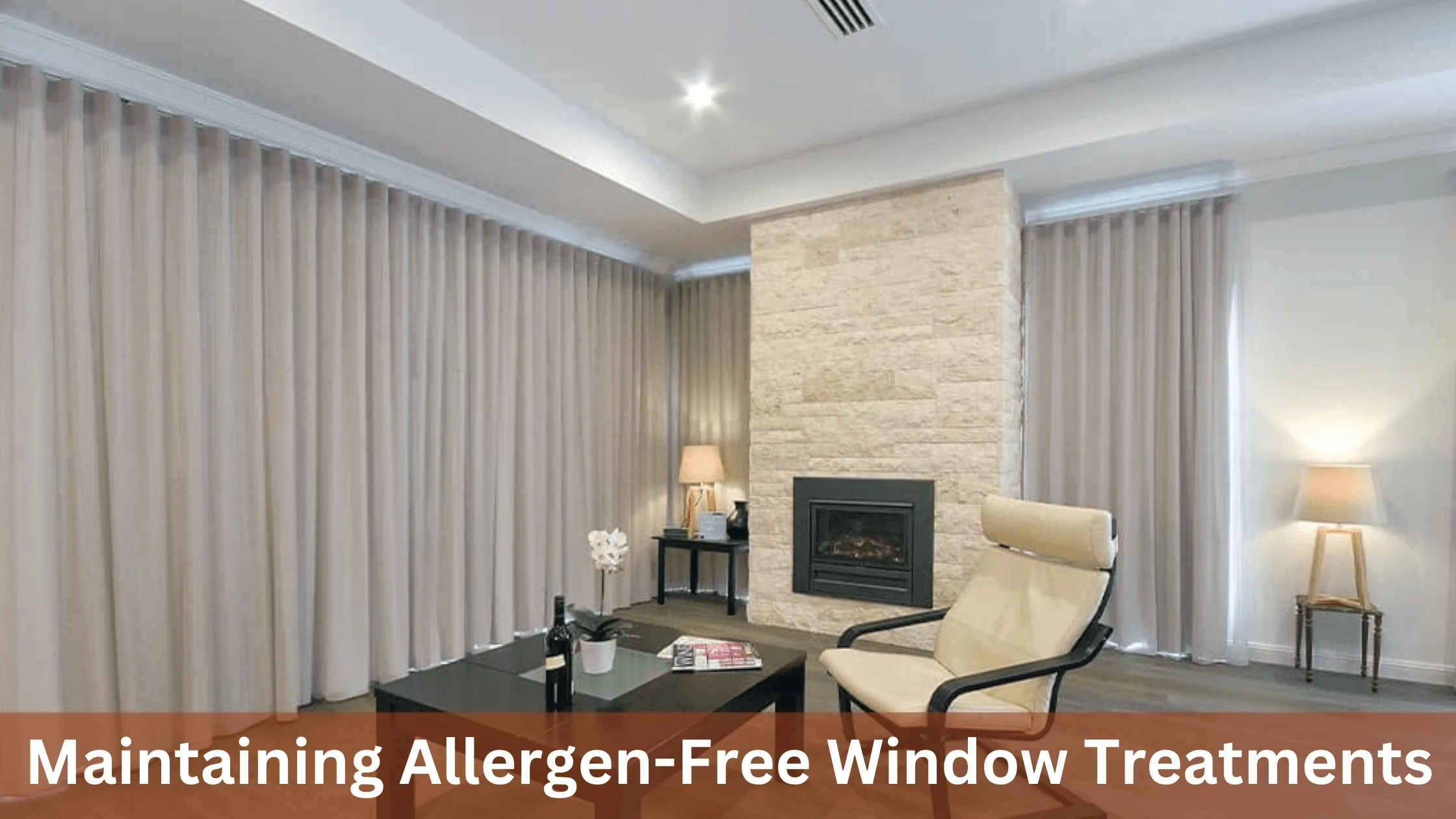
Choosing the right window treatments is the first step in your allergy-fighting journey. Regular maintenance is critical to keeping allergens at bay.
Here’s how to ensure your window treatments remain a haven, not a hazard:
- Dusting: Make dusting a weekly ritual. Use a microfiber cloth or a vacuum cleaner with a brush attachment to remove dust and pollen from blinds, shades, and shutters. A quick tumble in the dryer on a low heat setting can help remove allergens from fabric curtains.
- Washing: Launder fabric curtains and blinds according to the manufacturer’s instructions. Use gentle detergents, and avoid fabric softener, as it can leave a residue that attracts dust.
- Vacuuming: Vacuum your window sills and frames regularly to remove dust and debris that can accumulate and trigger allergies.
- Spot Cleaning: Address spills and stains promptly to prevent mould and mildew growth. Use a damp cloth and mild detergent to spot clean, non-washable window treatments.
- Air Purifier: Consider using an air purifier in rooms with windows to reduce airborne allergens further.
- Professional Cleaning: Consider professional cleaning services for delicate or hard-to-clean window treatments.
- Regular Inspection: Check your window treatments for signs of wear and tear, such as frayed edges or loose slats, and repair or replace them as needed.
Additional Tips for Reducing Indoor Allergens
Choosing the right window treatments is a great start, but to truly conquer your allergies, you’ll need a multi-pronged approach. Here are some additional tips to transform your home into an allergen-free oasis:
- Bedding: Opt for hypoallergenic bedding materials like tightly woven cotton or microfibre. Wash sheets and pillowcases weekly in hot water to kill dust mites - Encase pillows and mattresses in dust-mite-proof covers.
- Flooring: Replace carpets with hard flooring options like wood, tile, or laminate, which are less likely to harbour dust mites and allergens. If you must have carpets, choose low-pile varieties and vacuum them regularly with a HEPA filter vacuum.
- Pets: If you have pets, keep them out of your bedroom and groom them regularly to reduce dander. Wash their bedding frequently and consider using air purifiers with HEPA filters to capture pet allergens.
- Humidity: To discourage the growth of dust mites and mould, keep indoor humidity levels between 30% and 50%. Use a dehumidifier in damp areas like basements and bathrooms.
- Ventilation: When pollen counts are low, open windows and doors for fresh air circulation. Use exhaust fans in kitchens and bathrooms to remove moisture and reduce the risk of mould growth.
- Regular Cleaning: Dust and vacuum regularly, paying particular attention to areas where allergens accumulate, such as carpets, upholstery, and curtains. Use damp cloths for dusting to prevent allergens from becoming airborne.
Conclusion
Don’t let allergies control your life indoors. Choosing the right window treatments and following a consistent cleaning routine can transform your home into a sanctuary of fresh air and comfort. Say goodbye to sneezing fits and hello to a happier, healthier you.