The Psychology of Window Coverings: How They Affect Mood and Productivity

Many people underestimate the impact of window coverings on their daily lives.
Poorly chosen window coverings can increase stress, decrease productivity, and create a less inviting home environment.
By understanding the psychology of window coverings, you can select the right treatments to enhance your mood, boost productivity, and create a more pleasant living or working space.
The Science Behind Light and Mood
Natural light significantly influences both mood and productivity. Exposure to sunlight triggers the production of serotonin, a hormone that boosts mood, focus, and overall mental well-being.
Simultaneously, natural light helps regulate our circadian rhythms, essential for maintaining healthy sleep patterns. Good sleep, in turn, enhances cognitive function and productivity.
Insufficient exposure to natural light can lead to issues such as Seasonal Affective Disorder (SAD), characterised by low energy and depression during darker months. This condition underscores the importance of light for mental health and productivity.
Window coverings are crucial in managing the amount and quality of natural light in your workspace. Proper window treatments can maximise daylight, reduce the need for artificial lighting, and create a more pleasant environment.
For example, adjustable blinds allow precise control over light levels, reducing glare on computer screens and preventing eye strain. Sheer curtains can diffuse harsh sunlight, creating a softer, more comfortable workspace, while blackout shades can eliminate distractions when needed.
Types of Window Coverings and Their Psychological Effects

1. Blinds
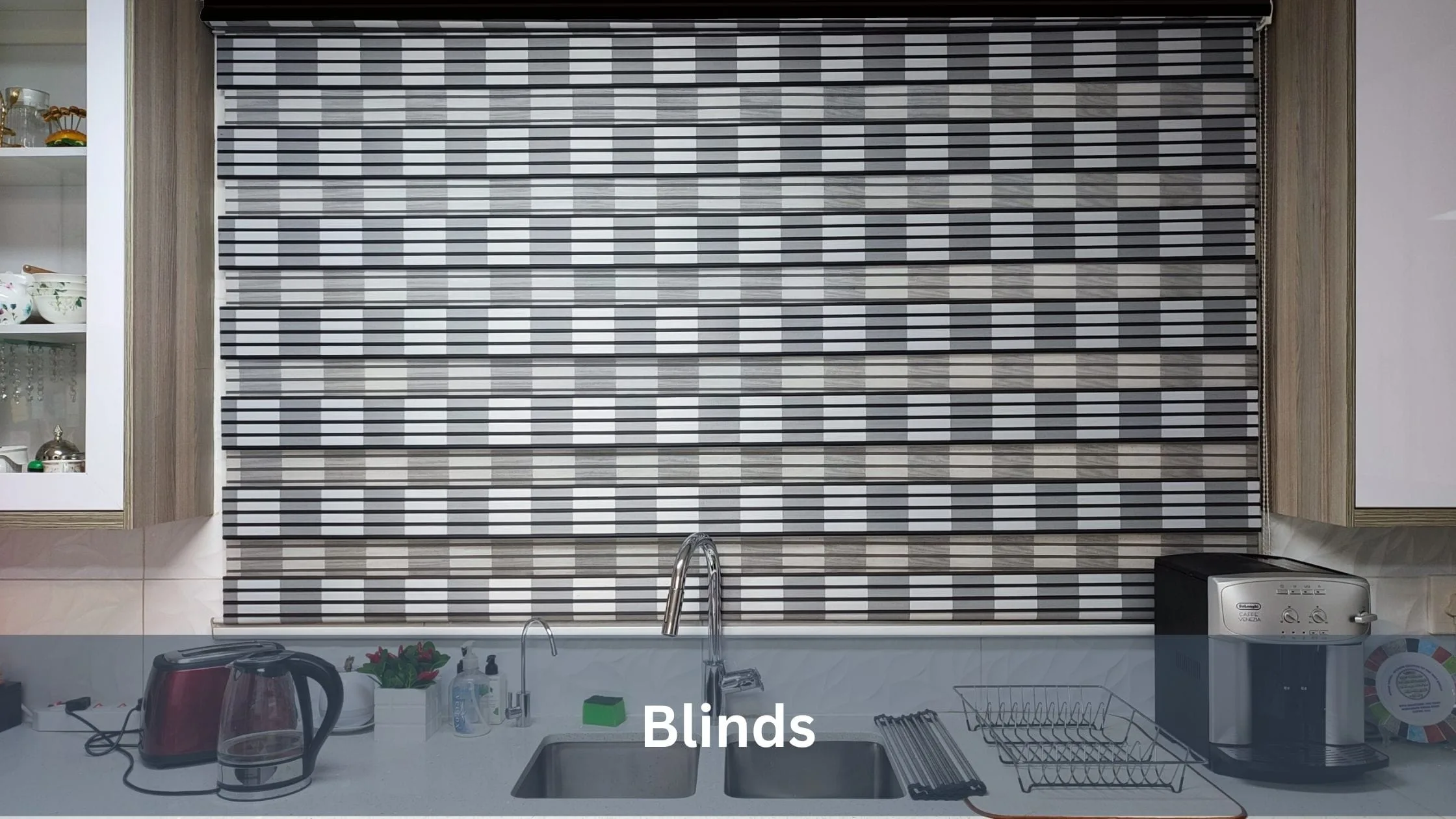
Blinds are highly versatile and offer precise control over light and privacy. Their adjustable slats can be tilted to allow varying levels of natural light, which helps reduce glare and enhances focus.
This flexibility can create a balanced environment conducive to productivity, making them a popular choice for home offices and workspaces.
Additionally, blinds are available in various materials, such as wood, faux wood, aluminium, and vinyl, each offering different aesthetic and functional benefits.
Wooden blinds, for instance, add a natural, warm touch to a room, while aluminium blinds are sleek and modern.
2. Curtains and Drapes
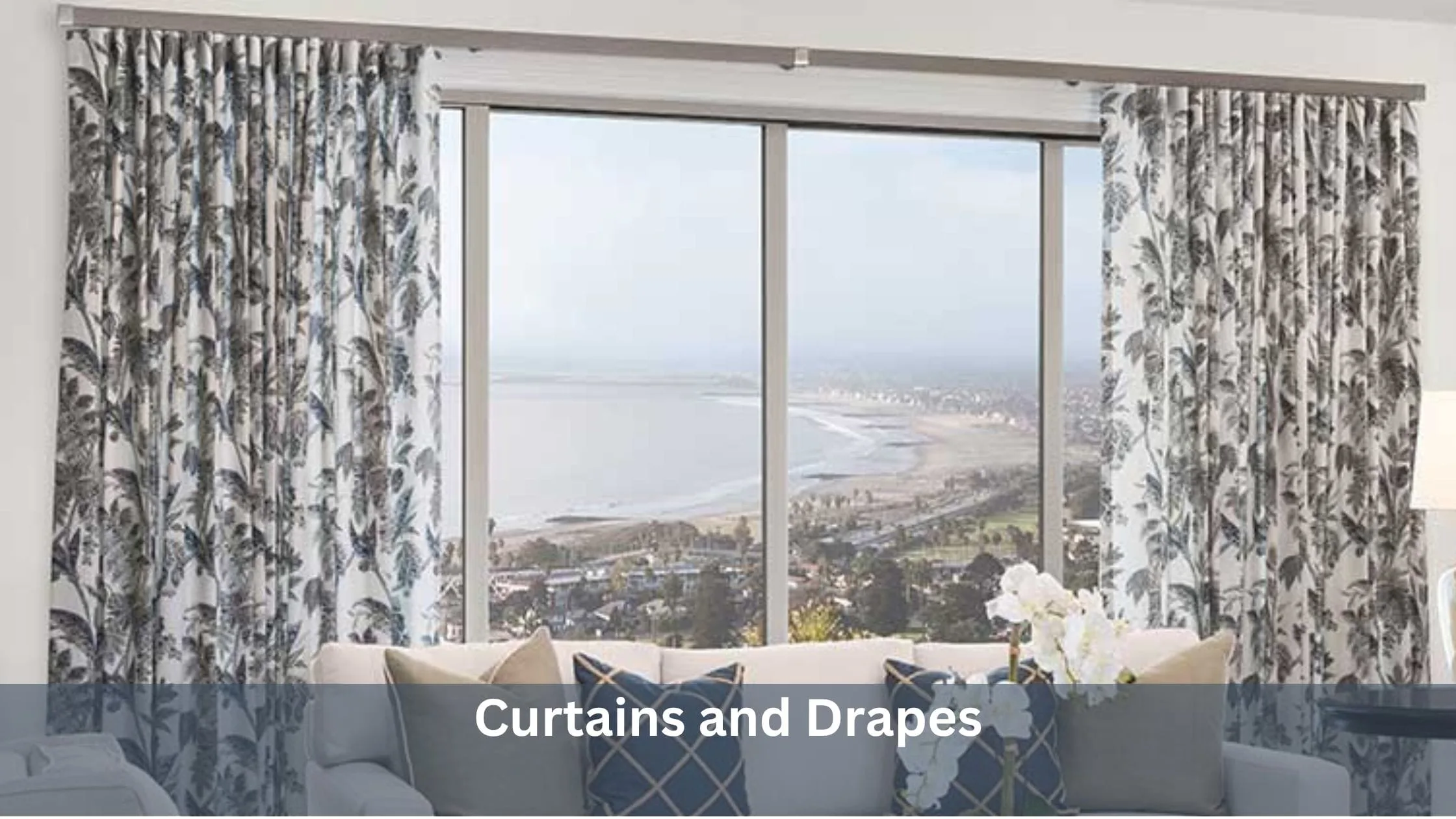
Curtains and drapes provide warmth and comfort, making them ideal for creating a cosy and inviting atmosphere.
The choice of fabric and colour can significantly influence mood. Lighter colours can create a calm, serene space, while darker hues can add a sense of sophistication and security.
Additionally, heavier drapes can offer sound insulation, reduce external noise, and promote concentration.
Curtains can also be layered for added depth and functionality, such as combining sheer curtains for daylight with heavier drapes for privacy and insulation, allowing for a versatile approach to light management and aesthetic appeal.
3. Shutters
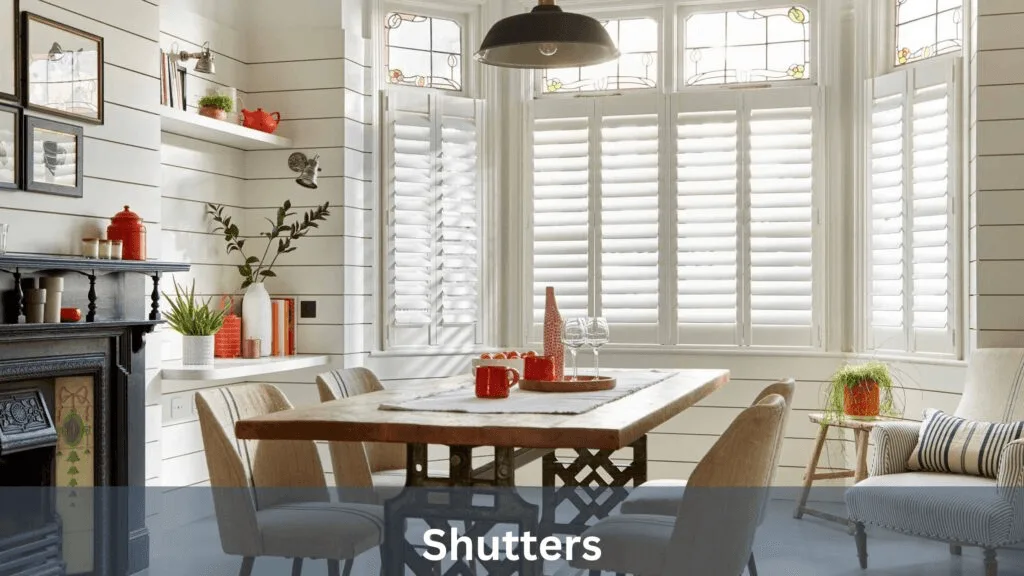
Shutters are known for their classic and sturdy design, offering a feeling of permanence and security.
They can be adjusted to effectively control light and airflow, contributing to a stable and controlled environment. This can be particularly beneficial in reducing anxiety and promoting a sense of order, making the space feel more structured and organised.
Shutters are also excellent for insulating a room against heat and cold, making them an energy-efficient choice.
Their durability and timeless style make them a long-term investment that can enhance a property’s aesthetic value.
4. Shades
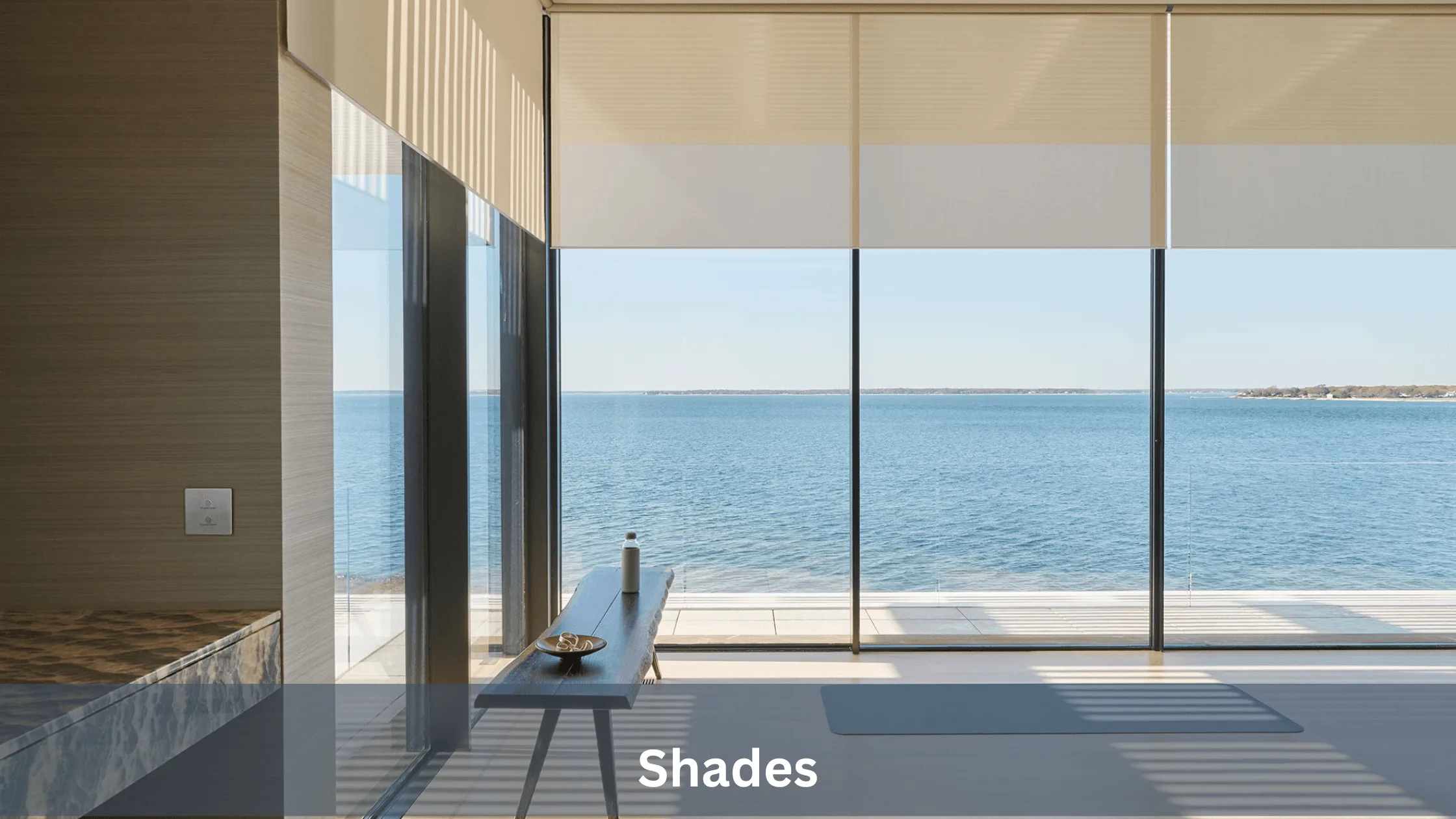
Shades are excellent for their simplicity and ease of use. They come in various styles, such as roller, Roman, and cellular shades, each offering unique benefits.
Roller shades are ideal for minimalist settings, providing a clean, unobtrusive look. Roman shades add a touch of elegance and can be customised with various fabrics and patterns.
Cellular shades provide excellent insulation and maintain a comfortable temperature, enhancing comfort and concentration, particularly in spaces with fluctuating temperatures.
Additionally, cellular shades have a unique honeycomb structure that traps air, providing superior energy efficiency and sound absorption, making them a practical choice for both comfort and cost savings.
Colour Psychology and Window Coverings
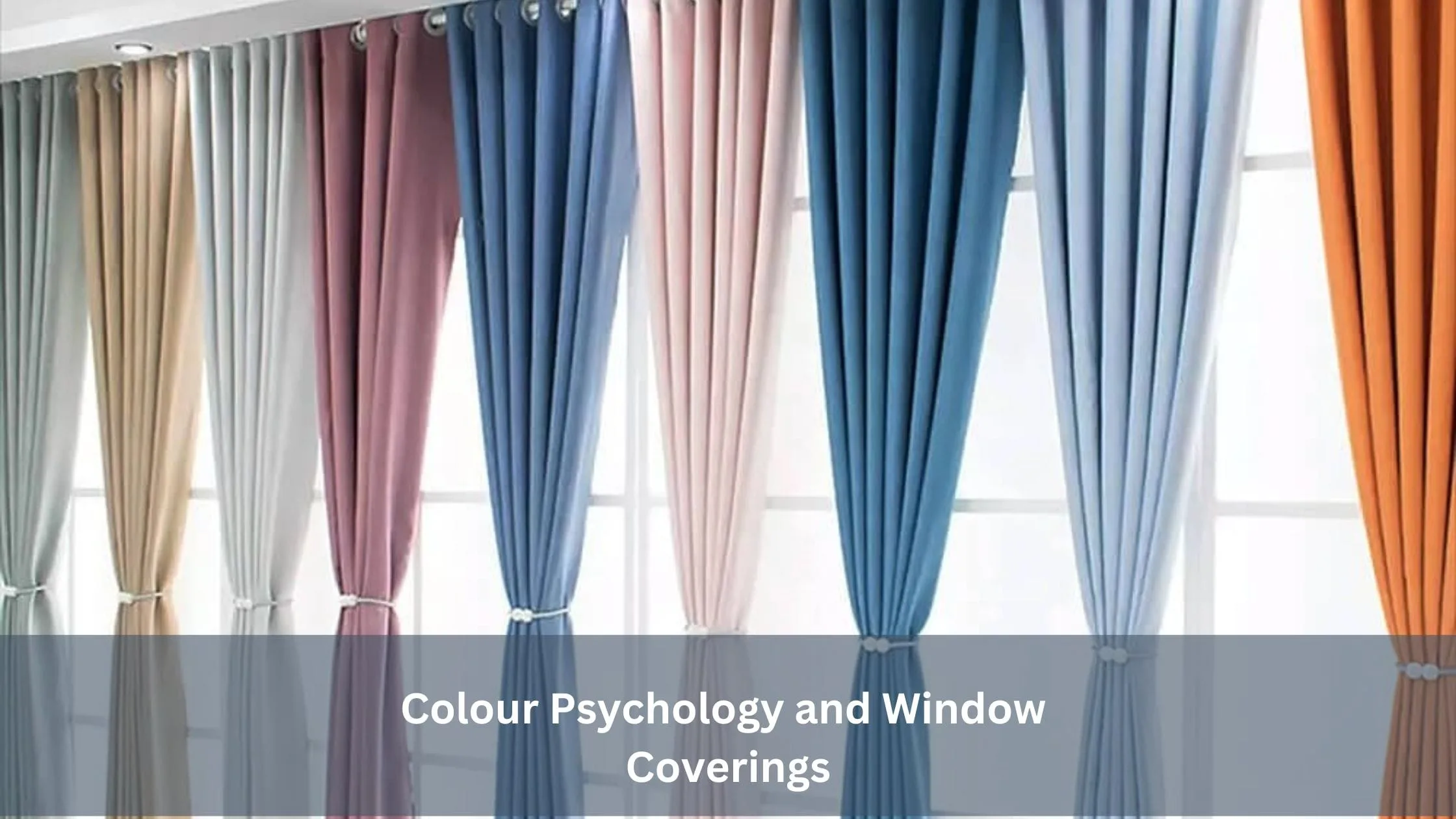
The colour of window coverings can significantly influence mood and productivity in a space. Colour psychology explores how different hues can affect emotions and behaviours, making it an essential consideration when selecting window treatments.
1. Warm Colours
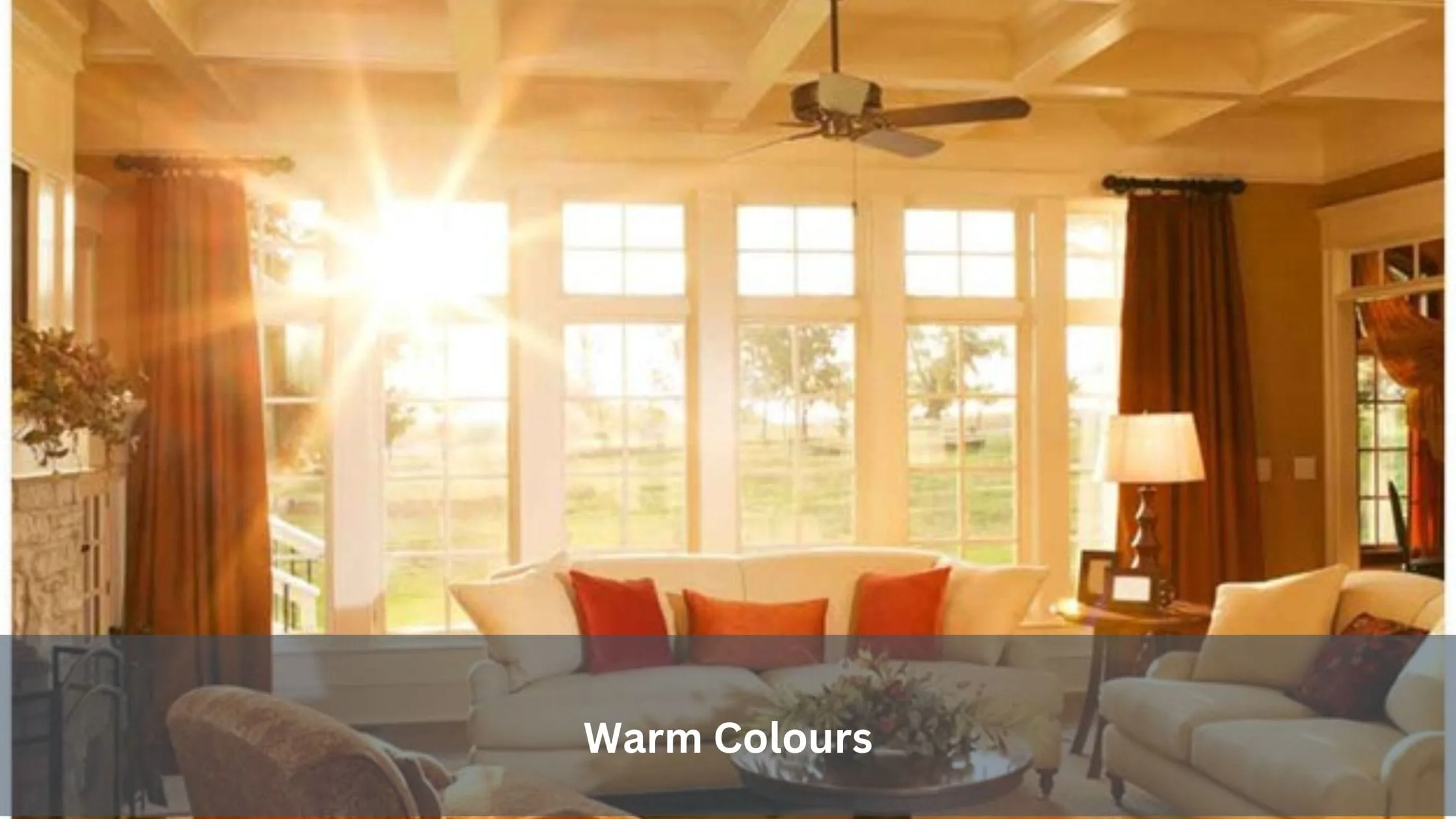
These colours are known to stimulate energy and creativity. They can be particularly effective in environments where brainstorming and active collaboration occur.
However, these colours can also be intense, so balancing them with more neutral tones is crucial to prevent overstimulation.
- Red: This colour is associated with high energy and excitement. It can stimulate conversation and enthusiasm, making it suitable for creative spaces. However, too much red can cause feelings of agitation or aggression, so it’s best used as an accent rather than the dominant colour.
- Orange: Orange combines the energy of red and the happiness of yellow. It can increase oxygen supply to the brain, stimulate mental activity, and promote a sense of general wellness. Orange is ideal for areas where social interaction and activity are encouraged.
- Yellow: Yellow is known for its cheerful and uplifting qualities. It can stimulate mental activity and generate muscle energy. However, yellow should be used in moderation, as excessive yellow can lead to feelings of frustration and anger.
2. Cool Colours
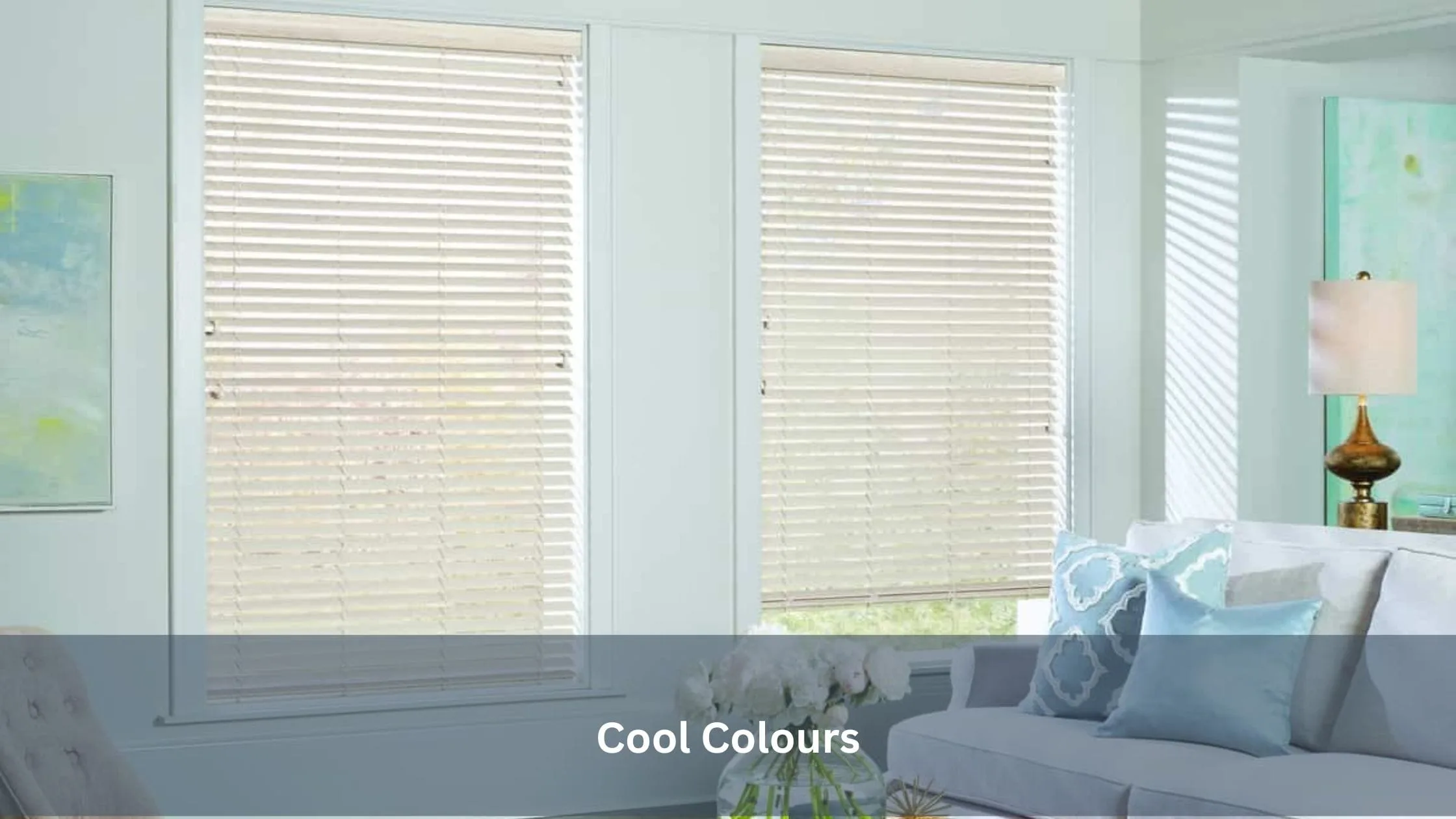
These colours promote calmness and focus, making them ideal for workspaces where concentration and productivity are paramount.
- Blue: Blue is often associated with calmness, stability, and reliability. It can lower pulse rates and body temperature, creating a sense of tranquillity. Blue is ideal for spaces where focus and relaxation are essential, such as home offices and bedrooms.
- Green: Green symbolises nature, balance, and harmony. It is considered the most restful colour for the eye and can improve reading ability. Green is excellent for promoting a sense of balance and well-being, making it perfect for workspaces where prolonged concentration is required.
- Purple: Purple combines the stability of blue with the energy of red. It is often associated with luxury, creativity, and ambition. Lighter shades of purple, like lavender, can create a peaceful environment, while darker shades, like plum, can add a sense of richness and depth.
3. Neutral Colours
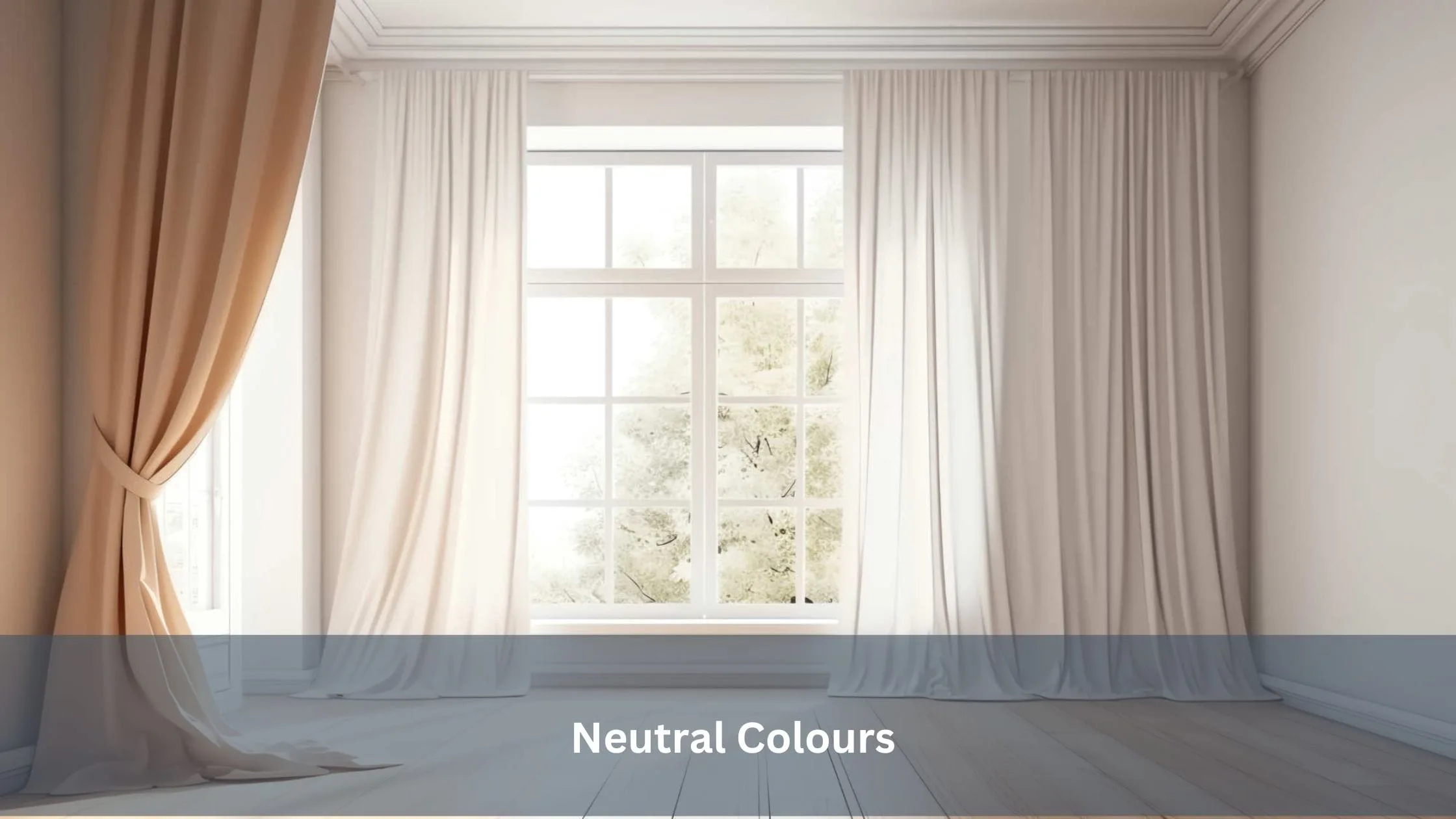
Neutral colours offer versatility and sophistication. They provide a clean and uncluttered look, which can help reduce distractions and promote mental clarity.
Neutral tones are also highly adaptable. They complement various interior design styles and allow other elements in the room to stand out.
- White: White evokes a sense of cleanliness, simplicity, and purity. It can make a space more significant and open, promoting a sense of order and clarity. White window coverings can also reflect light, enhancing the natural light in a room.
- Beige: Beige is a warm neutral that can create a calm and inviting atmosphere. It works well in any room, providing a versatile backdrop that allows other design elements to shine. Beige can make a space feel cosy and welcoming.
- Grey: Grey is a versatile and sophisticated colour ranging from excellent to warm tones. It can create a modern, sleek look or a calming, subdued environment. Grey window coverings can help ground a space, making it feel stable and balanced.
Material and Texture Considerations
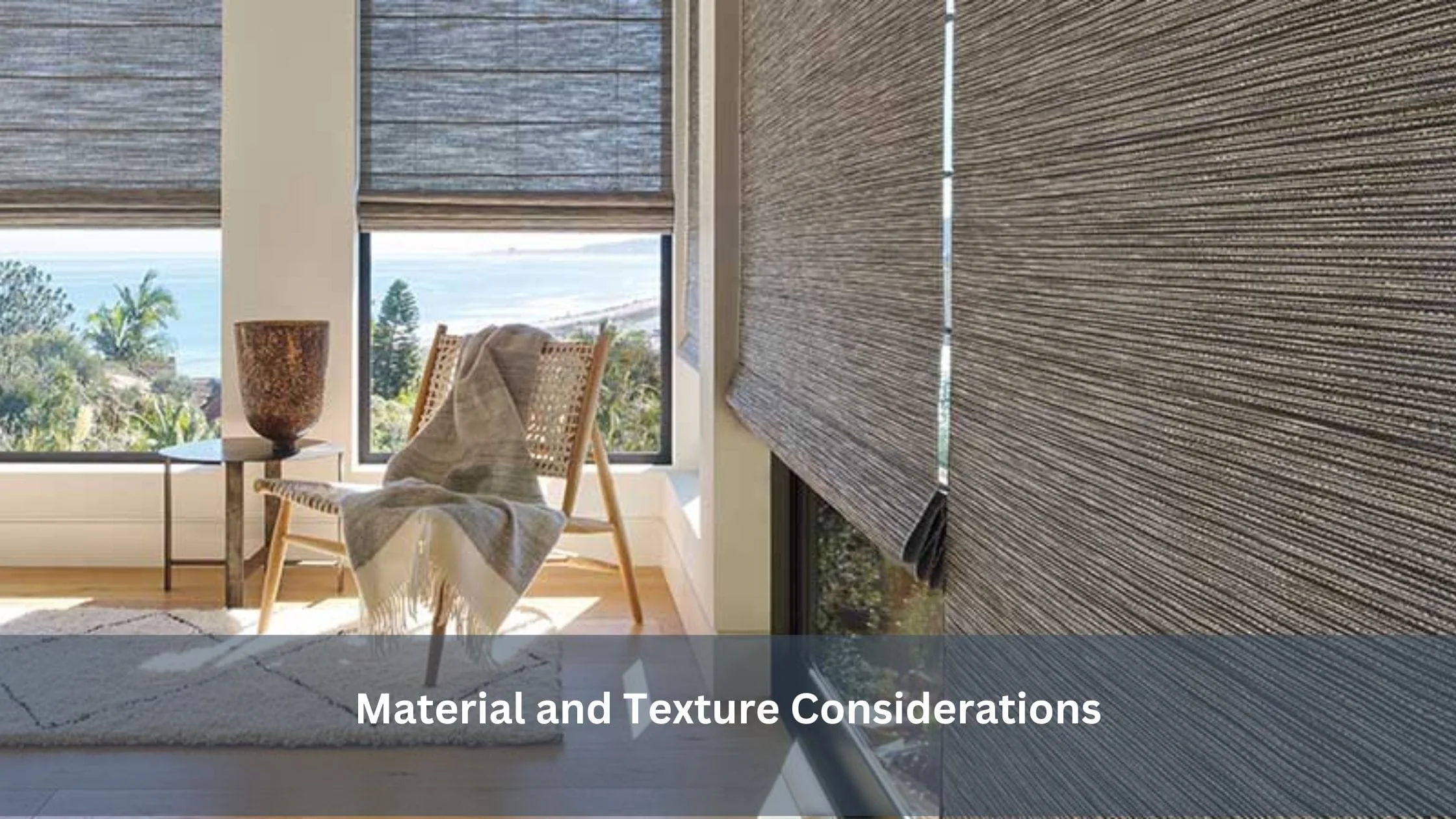
When selecting window coverings, the material and texture influence mood and productivity.
Different materials offer varying levels of light control, insulation, and aesthetic appeal, each contributing uniquely to a space’s ambience.
1. Fabric Window Coverings
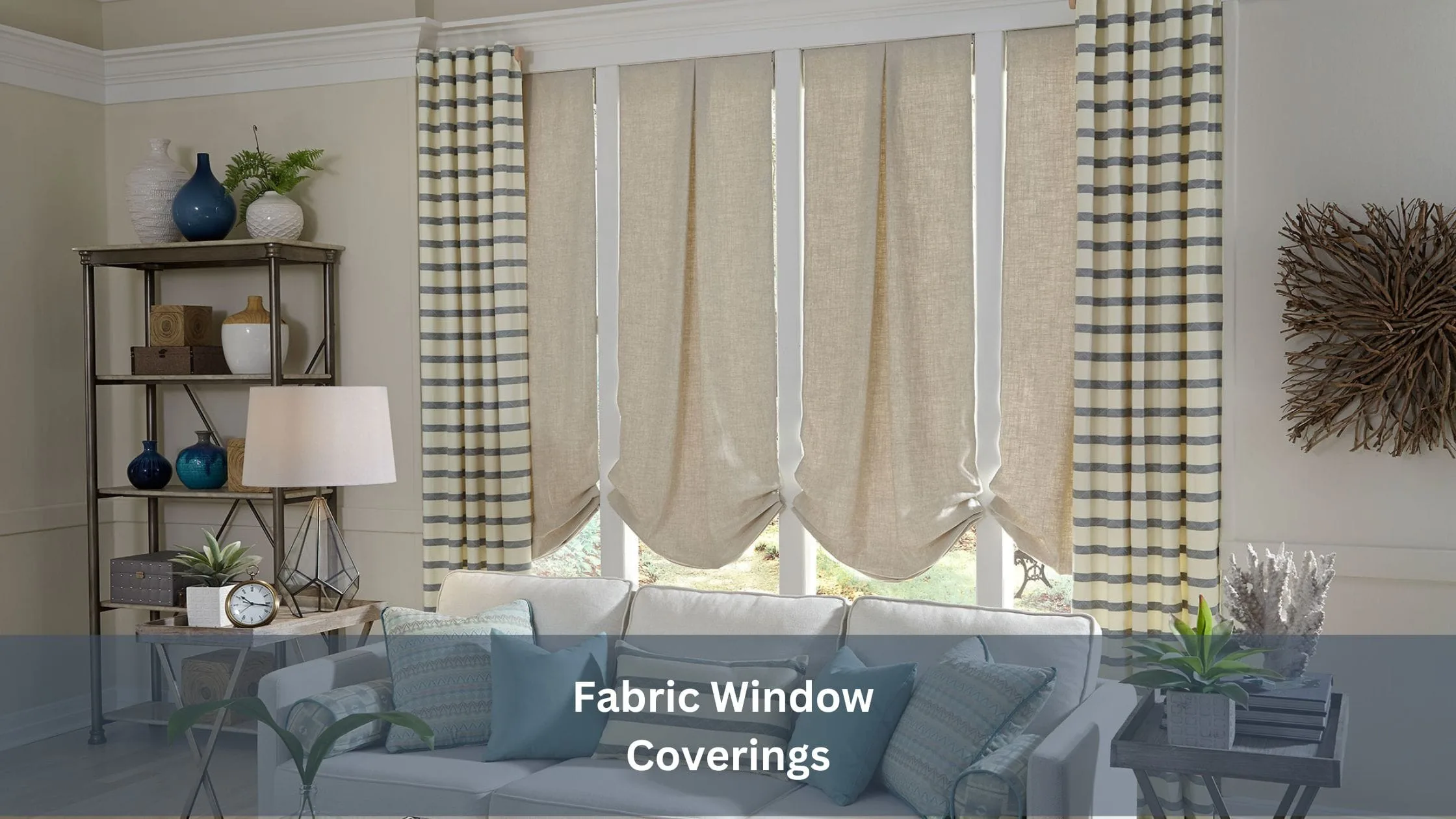
- Heavy Fabrics: These fabrics create a sense of luxury and warmth, making them ideal for a cosy atmosphere. Their dense weave provides excellent insulation, keeping the room warm in winter and cool in summer. Additionally, they offer superior light control, blocking out external light when needed, which can be particularly useful for reducing screen glare and enhancing focus.
- Light Fabrics (e.g., linen, cotton): Lighter fabrics like linen and cotton offer a breezy, relaxed vibe that maintains a bright and airy environment. These materials allow more natural light to filter through, creating an inviting and uplifting space. They also add softness and comfort, making the room feel more welcoming and conducive to productivity.
2. Wooden Blinds and Shutters
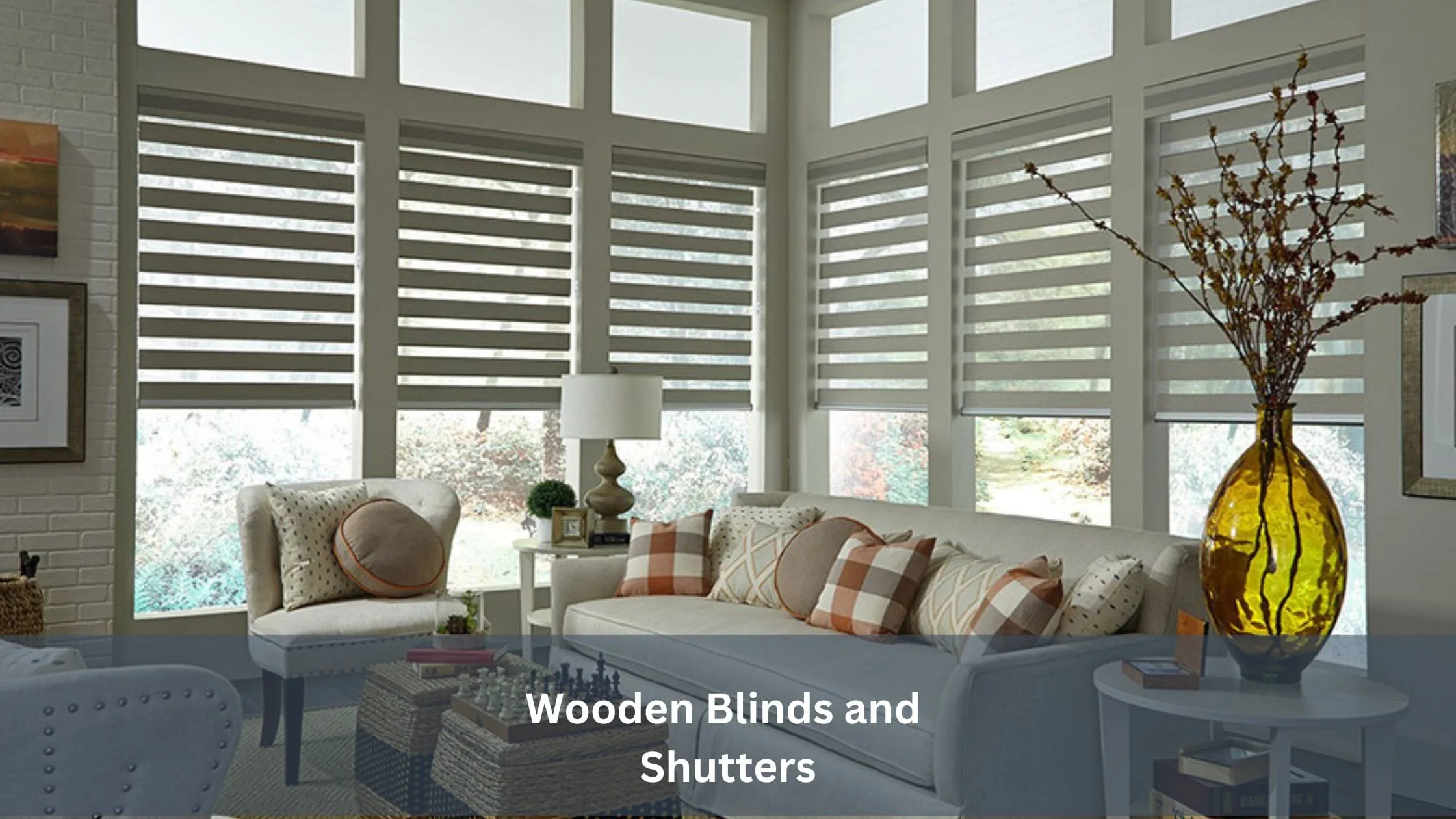
- Natural Element: Wooden blinds and shutters add a calming, earthy feel to any room, promoting a connection to nature. This natural element can help reduce stress and enhance well-being, creating a tranquil work setting.
- Texture and Grain: The texture and grain of wood evoke feelings of warmth and comfort, contributing to a homey and inviting atmosphere. Wooden coverings also offer excellent light control and insulation, helping to maintain a stable indoor climate and reduce energy costs.
3. Metal Blinds
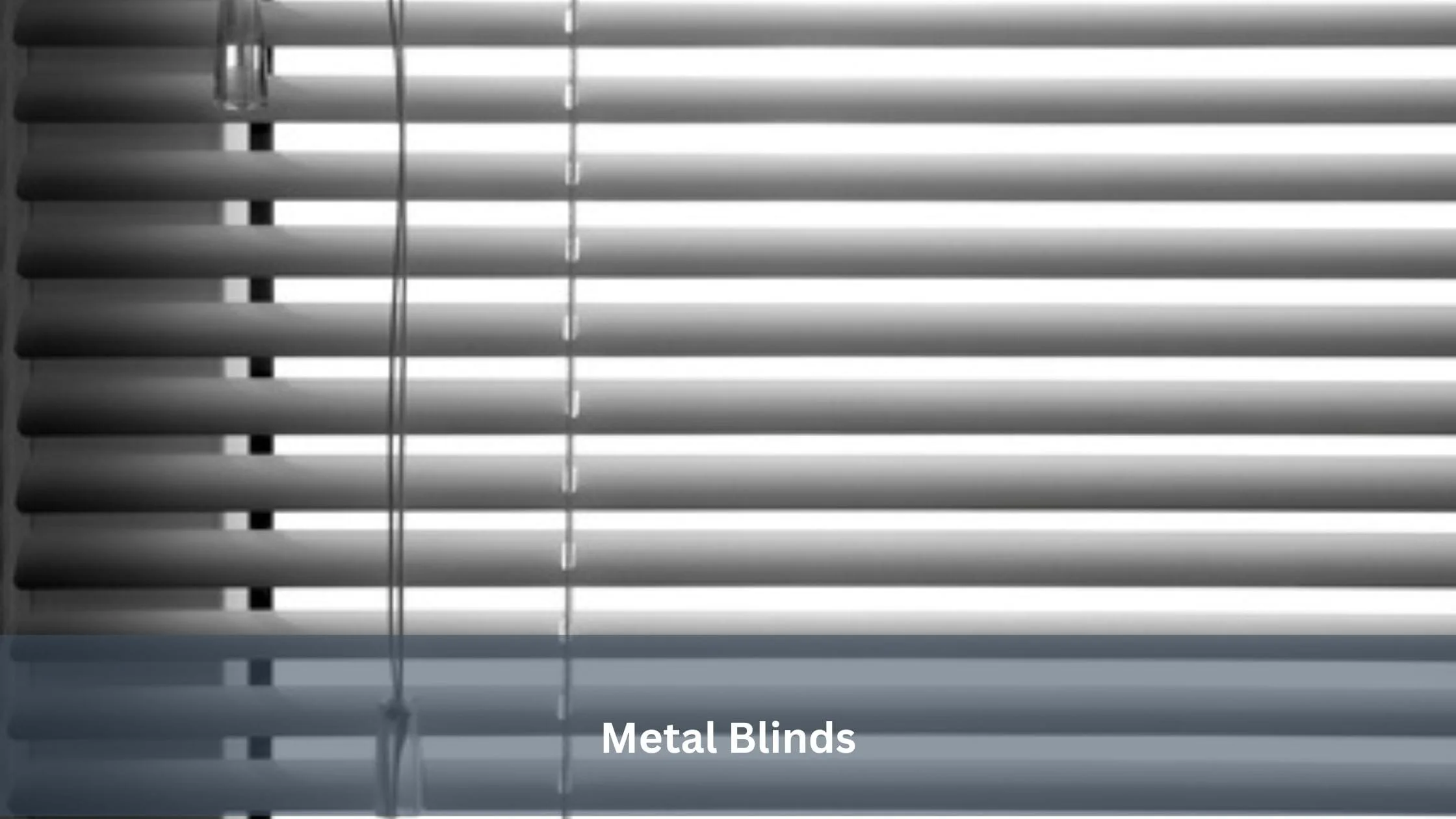
- Sleek, Modern Look: Metal blinds provide a contemporary aesthetic and high durability. Their clean lines and reflective surfaces contribute to a modern, sophisticated look that can enhance the overall design of a home office.
- Reflective Surfaces: Metal blinds’ reflective surfaces help maximise natural light, essential for maintaining energy and focus throughout the day. However, it’s best to balance metal with warmer elements like wood or soft textiles to create a more inviting space because metal can feel cold and impersonal.
4. Synthetic Materials
- Versatility: Synthetic materials can mimic the appearance of natural textures like wood or fabric while offering enhanced durability and moisture resistance. This makes them a versatile choice for various environments, including those with higher humidity or exposure to direct sunlight.
- Ease of Maintenance: Synthetic window coverings are easy to maintain, as they are resistant to wear and tear, stains, and moisture. Their durability and low maintenance make them ideal choices for busy home offices where functionality and longevity are vital considerations.
Customisation for Personal and Professional Spaces
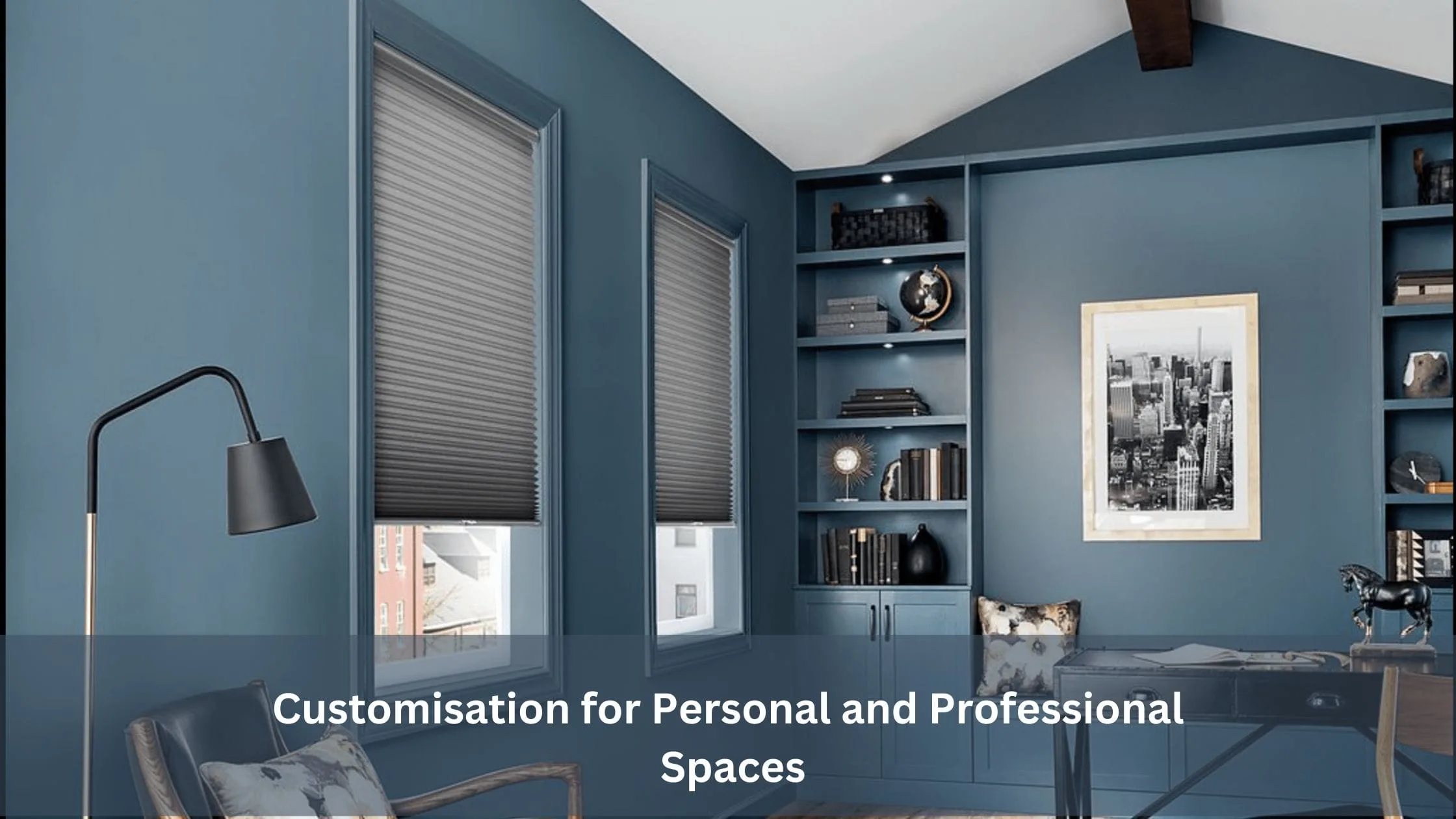
Customising window coverings is crucial for tailoring environments to meet personal and professional spaces’ unique needs.
Personal spaces like bedrooms and living rooms benefit from window coverings that reflect individual tastes and lifestyle preferences.
For example, vibrant colours and bold patterns can create a lively and stimulating atmosphere, while neutral tones and soft textures promote relaxation and tranquillity.
In bedrooms, blackout curtains or blinds can ensure a restful sleep by blocking out light, while in living areas, sheer curtains can provide privacy without sacrificing natural light.
Professional spaces, like home offices or conference rooms, require window coverings that enhance productivity and maintain a professional appearance.
Adjustable blinds or shades offer flexibility in controlling light levels, reducing glare on screens and creating a comfortable working environment.
Materials such as wood or metal can convey a sense of sophistication and professionalism. Additionally, motorised options can add a touch of modernity and convenience, allowing for seamless operation and precise light control.
Conclusion
In conclusion, the right window coverings can significantly enhance mood and productivity.
By carefully considering factors such as light control, colour, material, and customisation, you can create an environment that supports your well-being and efficiency.