The Art of Layering Curtains and Sheers
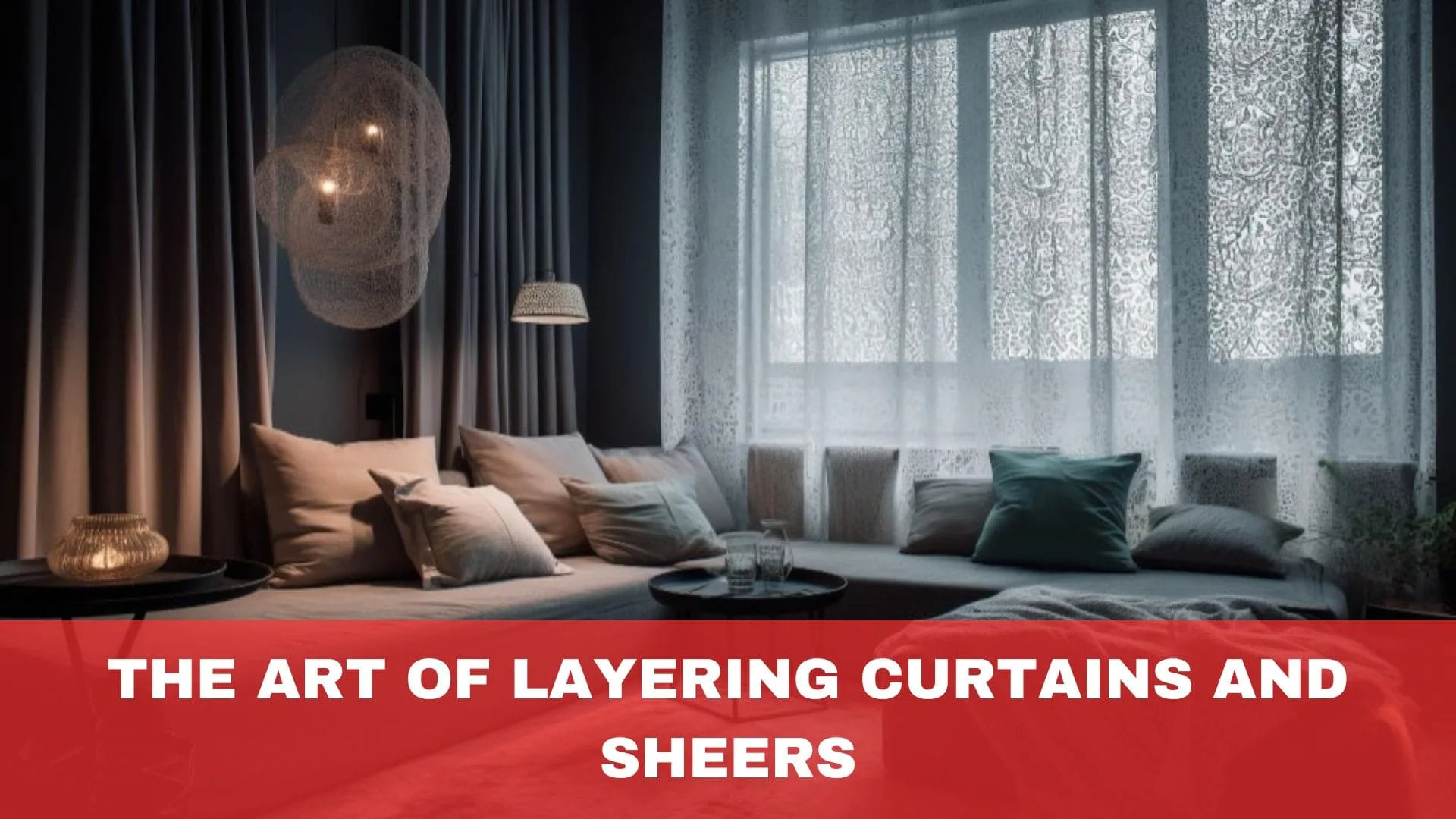
Struggling to strike the perfect balance between privacy and natural light in your home?
Heavy curtains can make a room feel dark and stuffy, while sheers alone may not provide enough privacy. This dilemma can leave your space feeling less than ideal.
Discover the art of layering curtains and sheers to create a beautiful, functional window treatment that offers the best of both worlds - enhanced light control, privacy, and a touch of elegance.
Understanding the Basics
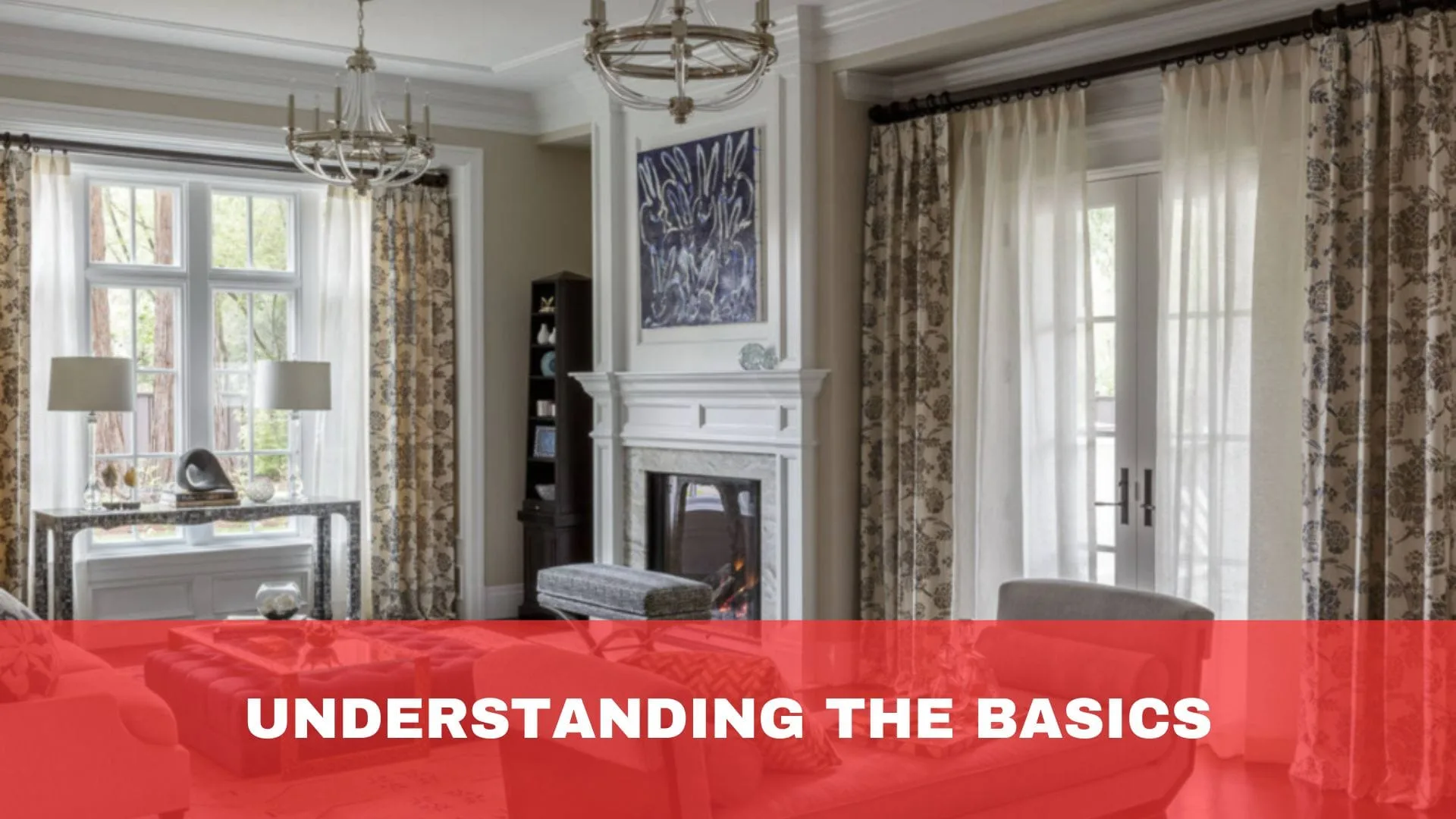
When layering curtains and sheers, it’s essential to grasp the fundamentals. Curtains typically refer to heavier, opaque fabrics that block light and provide privacy. On the other hand, sheers are lightweight, translucent materials that allow natural light to filter through while maintaining privacy.
The critical difference lies in their functionality - curtains are ideal for controlling light and temperature, offering insulation and privacy. At the same time, sheers add a touch of elegance and softness to a room. Combining both creates a versatile window treatment solution that can be adjusted according to your daily needs.
Choosing the Right Materials
Selecting suitable materials is crucial for achieving the perfect layered look with curtains and sheers. The fabric choice can dramatically impact your window treatments’ overall effect and functionality.
For curtains, consider heavy fabrics like velvet, brocade, or thick cotton for maximum privacy and light control. These materials also add a touch of luxury and elegance to your space. Linen and lightweight cotton are excellent options for a casual or contemporary look.
On the other hand, sheers should be made from lightweight, translucent fabrics like voile, chiffon, or organza. These materials allow light to filter through softly, creating a gentle glow in the room while still providing some privacy.
When combining curtains and sheers, ensure the textures and colours complement each other. The key is to achieve a harmonious balance that enhances both your window treatments’ aesthetic appeal and practicality.
When selecting, consider the room’s décor, the amount of natural light, and your privacy needs. This thoughtful approach will help create a beautiful, functional, layered window treatment.
Colour Coordination
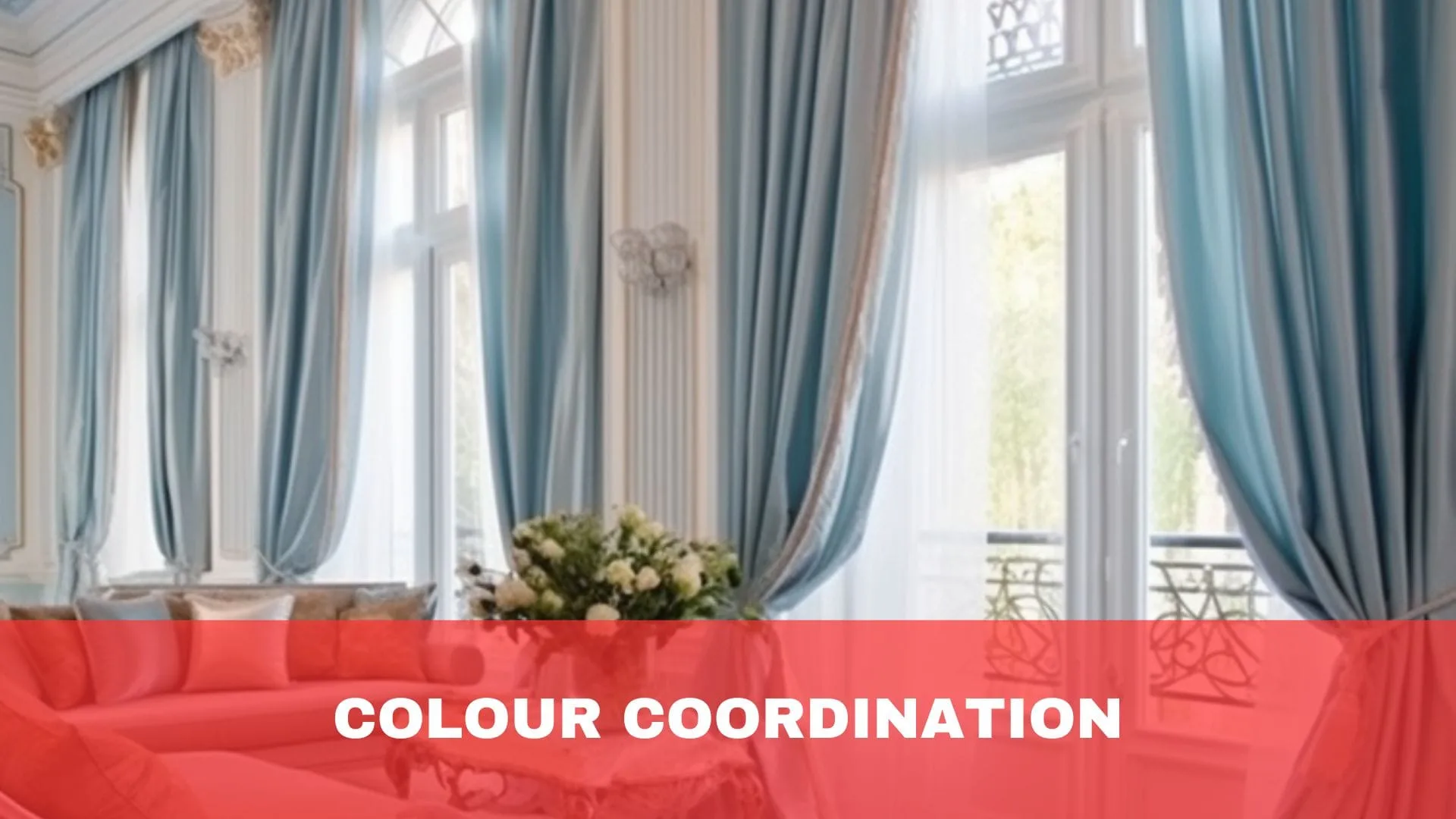
Perfect colour coordination is essential for creating a cohesive and stylish look with layered curtains and sheers. Your chosen colours can dramatically influence the room’s atmosphere and overall aesthetic.
Start by considering the color scheme of your room. The curtains and sheers should either complement or contrast with the existing colors. Neutral tones like white, beige, and grey are versatile and blend seamlessly with most décor styles. For a bolder look, opt for contrasting colors that add a pop of interest without overwhelming the space.
When layering, ensure the sheers and curtains harmonize. If your sheers are light and airy, choose curtains in a coordinating shade that enhances the softness. Alternatively, pair vibrant sheers with muted curtains for a balanced yet dynamic look.
Patterned fabrics can also add depth and character. If using patterns, ensure one layer features a subtle design to avoid visual clutter. By thoughtfully coordinating colours, you can create a harmonious and visually appealing window treatment that enhances interior décor.
Layering Techniques

Mastering the art of layering curtains and sheers requires understanding the proper techniques for a polished look.
Start with a double curtain rod, allowing you to hang both curtains and sheers on separate rods. This setup provides flexibility in adjusting each layer independently.
Begin by hanging the sheers on the inner rod. These lightweight panels should be closest to the window to gently diffuse natural light, creating a soft, airy feel. Sheers are perfect for daytime use, allowing sunlight to illuminate the space while maintaining privacy.
Next, hang the heavier curtains on the outer rod. These provide additional privacy and light control when needed. Choose curtains that complement or contrast with the sheers for a stylish effect. For example, pairing white sheers with deep blue curtains can create a striking look.
Use tiebacks to pull the curtains back during the day, showcasing the sheers. At night, release the tiebacks to cover the windows completely.
Practical Benefits
Layering curtains and sheers offers numerous practical benefits that go beyond aesthetics.
- Enhanced Light Control: Layering sheers with heavier curtains allows for flexible light management. Sheers diffuse natural light, reducing glare and providing a soft glow, while heavier curtains can be drawn to block out more light or increase privacy as needed.
- Improved Insulation: The combination of curtains and sheers helps maintain a comfortable indoor temperature. In winter, the extra layer helps retain heat, while in summer, it prevents heat from entering, contributing to energy efficiency and potentially lowering utility bills.
- Noise Reduction: The layered approach helps dampen external noises. Sheers and heavier curtains together create a buffer that reduces sound transmission, leading to a quieter and more peaceful indoor environment.
- Increased Privacy: Sheers provide daytime privacy while still allowing light to enter, and heavier curtains ensure complete privacy at night. This combination ensures that you can control both light and privacy levels according to your needs.
Styling Tips
Creating a visually appealing layered window treatment requires thoughtful styling.
- Mix Patterns and Textures: To create a visually engaging window treatment, combine different patterns and textures. Pairing patterned curtains, such as floral or geometric designs, with solid sheers adds depth and interest. For example, floral curtains with plain sheers introduce a touch of elegance and contrast, enhancing the room’s aesthetic.
- Accessorise with Tiebacks, Holdbacks, and Valances: Use decorative accessories to enhance style and functionality. Tiebacks can pull back curtains and reveal the sheers, allowing more natural light into the room during the day. Holdbacks and valances also add a stylish touch while helping to manage the curtain’s position and functionality.
- Consider the Room’s Overall Theme: Match your window treatments to the room’s decor for a cohesive look. For a modern aesthetic, choose sleek, monochromatic curtains and sheers that complement clean lines and minimalism. Select rich, textured fabrics in warm tones, such as deep reds or golds, to add warmth and comfort for a traditional or cosy feel.
- Adjust for Seasons: Adapt your window treatments to suit seasonal changes. Opt for lighter fabrics and colours, such as sheer cotton or pastel shades, in summer to create an airy, fresh feel. In winter, switch to heavier materials, like velvet or thermal fabrics, and darker colours to add warmth and cosiness. This seasonal adjustment enhances comfort and keeps your decor in sync with the time of year.
Maintenance and Care

Proper maintenance and care are essential to keep your layered curtains and sheers looking their best.
Regular cleaning involves vacuuming your curtains and sheers using a soft brush attachment to remove dust and prevent buildup. This simple step helps keep the fabrics fresh and reduces allergens in your home.
When it comes to washing, always check the care labels before proceeding. Many sheers and lighter fabrics can be machine-washed gently, while heavier curtains may require professional dry cleaning. Use mild detergents and cold water to avoid damaging the fabric and ensure longevity.
For ironing and steaming, remove wrinkles by lightly ironing or steaming your curtains and sheers. Use a low heat setting for delicate fabrics to prevent scorching. Steaming is particularly effective for sheers, as it avoids direct contact and reduces the risk of damage.
To address stains, act promptly by spot cleaning with a mild detergent and a soft cloth. Gently blot the stained area to avoid spreading the stain and ensure effective cleaning.
Conclusion
Mastering the art of layering curtains and sheers unlocks a world of style and functionality for your windows. Elevate your home’s ambience with our curated collection of curtains and sheers. Explore Into Blinds Melbourne today and transform your windows into stunning focal points.